From Albany, Montreal sits a little over three hours up the Northway. That short drive makes Quebec feel close for plenty of Capital Region families. Some have a mother who never left the Plateau, or a father in a small town outside Cornwall. Once the snow arrives, that easy drive starts to feel a lot longer.
Families planning for those months often start with a simple way to call for help, and Life Assure’s panic alarm is built for seniors in Canada. Life Assure is a Canadian company, and its monitoring service is available to customers in Canada only. That suits a parent in Quebec or Ontario, not a reader in Colonie or Troy. The rest of this guide covers what the family on this side of the border can do.
Why Does Winter Make Long-Distance Care Harder?
Winter shrinks an older adult’s world. Icy steps keep people indoors, and early darkness cuts errands short. A slip on the driveway can go unnoticed for hours if nobody expects a call.
For the family in Saratoga or Schenectady, winter also limits the drive. A squall in the Adirondacks can cancel a planned weekend in an hour. Checking winter road conditions on the 511NY map before leaving can save a wasted trip to the Champlain crossing.
The risks tend to cluster in four areas:
- Falls on ice, porch stairs and bathroom floors.
- Power outages that cut heat and landline phones.
- Isolation when storms cancel visits, church or the seniors’ club.
- Missed medication when pharmacy runs get skipped.
Montreal winters also run colder and longer than ours. Sidewalk ice can linger for weeks, and snow removal on side streets is not always quick. A parent who walked everywhere in October may stay home for days by January.
What Belongs In a Cross-Border Winter Plan?
Write the plan down before the first storm, not after it. Share it with siblings and with someone who lives near your parent. Keep it to one page so everyone actually reads it.
- Name a local contact within a short drive who holds a spare key.
- Set a fixed daily call time, and agree on what happens if it is missed.
- Stock a week of food, medication and batteries every November.
- Book snow clearing for the driveway and walkway in advance.
- Keep doctors, the pharmacy and health card details in one folder.
In Quebec, public health coverage runs through the Régie de l’assurance maladie du Québec. The RAMQ English-language site is where families can look up health insurance cards and coverage for residents. Knowing where your parent’s card lives saves panic during a clinic or hospital visit.
How Does a Panic Alarm Fit Into the Plan?
A panic alarm gives an older adult one button to press when something goes wrong. Pressing it connects them with trained Medical Alert Specialists, at any hour. That matters most on the nights when family is 200 miles south.
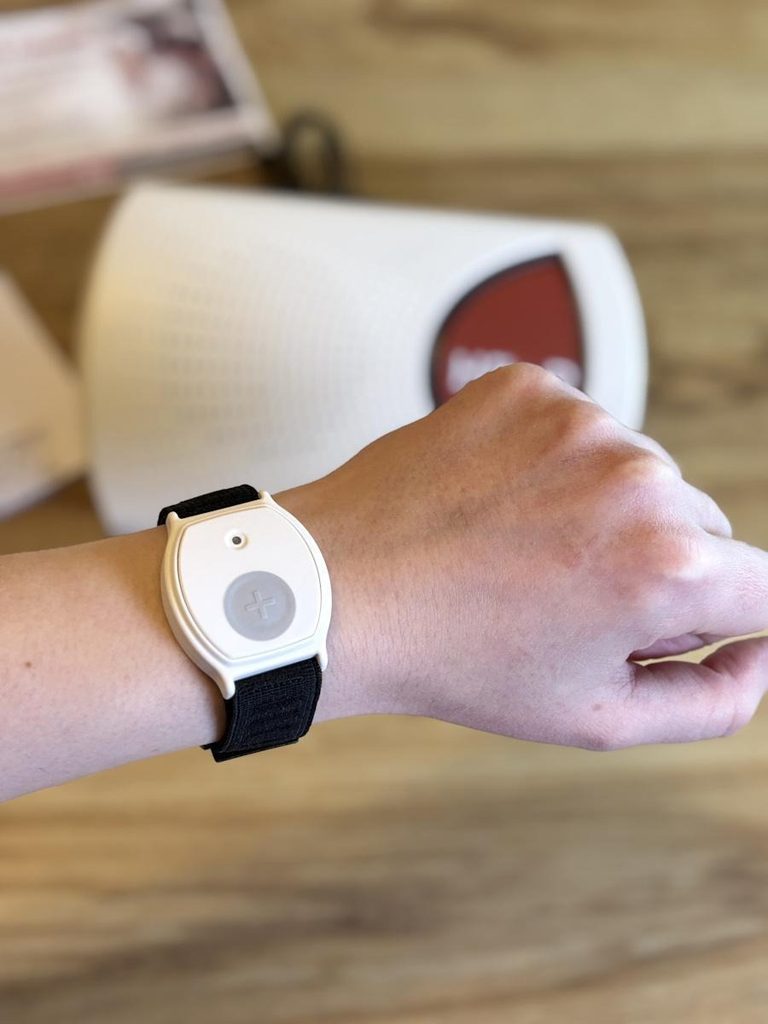
Life Assure offers two styles. The Classic Home unit pairs a base with a wearable button and keeps up to 80 hours of backup battery. The Premium Mobile Plus runs on the cellular network and adds GPS location. Fall detection is an optional upgrade on both.
Its page says the systems work coast to coast, wherever there is cellular coverage. If a parent falls while out in the community, the specialist can help locate them and coordinate assistance. A satisfaction guarantee lets a client return the equipment and cancel if it is not the right fit.
Ask these questions with your parent, not for them:
- Will they wear it in the shower, where many falls happen?
- Should it go with them to the depanneur, church or a winter walk?
- Who sits first on the contact list? Put the local key holder there.
- Can a son or daughter in New York be added as a contact too?
How Can You Stay Close From the Capital Region?
Being across the border does not mean being absent. Small, regular contact counts more than grand gestures. A video call during Sunday dinner keeps a parent inside the family routine.
Local aging leaders can sharpen your thinking as well. The work of Diane Conroy-LaCivita at Colonie Senior Service Centers shows how much a strong community group does for older adults. Ask your parent which groups play that role in their own town. A senior center, a parish or a library program can become the weekly anchor you cannot be from New York.
Plan winter visits around weather windows, with flexible return dates. Keep passports current and allow extra time at the border in bad weather. Look after yourself between trips too, since CRL’s roundup of health and wellness events to attend this winter is full of ways to recharge close to home.
Frequently Asked Questions
Will a Panic Alarm Work When My Parent Visits Us In Albany?
No. The service stops at the border, so the alarm will not connect from New York. Plan something else for holiday visits south, such as keeping a phone charged and someone nearby at all times.
What Should My Parent Keep Ready for a Power Outage?
A flashlight, warm layers, a charged phone and bottled water within reach. If they use the Classic Home unit, its backup battery covers up to 80 hours. Make sure a neighbor knows to check in once the lights go out.
How Often Should We Check In During a Storm?
At least once a day, at a set time. During a major storm, add a morning and evening call. A missed call should trigger a call to the local contact, not a three-hour drive.
Who Should Hold a Spare Key?
Pick someone who lives within ten minutes and answers the phone. A trusted neighbor, a church friend or a nearby relative all work. Write their number on the plan and share it with every sibling.
What Keeps a Winter Plan Working?
A plan only works if people follow it in February, when everyone is tired of snow. Review it after the first big storm and fix what broke. Then let your parent enjoy the season, knowing help sits one button away.