Leland Stanford
Founder, Stanford University
Stanford University may be located in California, but the founder’s roots trace back to what’s now known as Colonie, NY. Leland Stanford grew up in the farmlands of Albany County in the 1820s and ’30s before beginning a political career that would ultimately take off in California and culminate in him serving on the US Senate starting in 1885. That was the same year he and his wife, Jane, founded Stanford University in honor of their only child, Leland Stanford, Jr., who had died of typhoid fever at the age of 15 the year before. True to his rural roots, Stanford started the school on his family’s Palo Alto stock farm, an 8,180-acre property that earned Stanford University the nickname “The Farm.” You can take the man out of upstate New York, but you can’t take upstate New York out of the man.
Arnold Lobel
Author, Frog and Toad
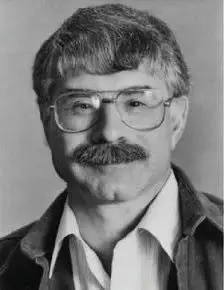
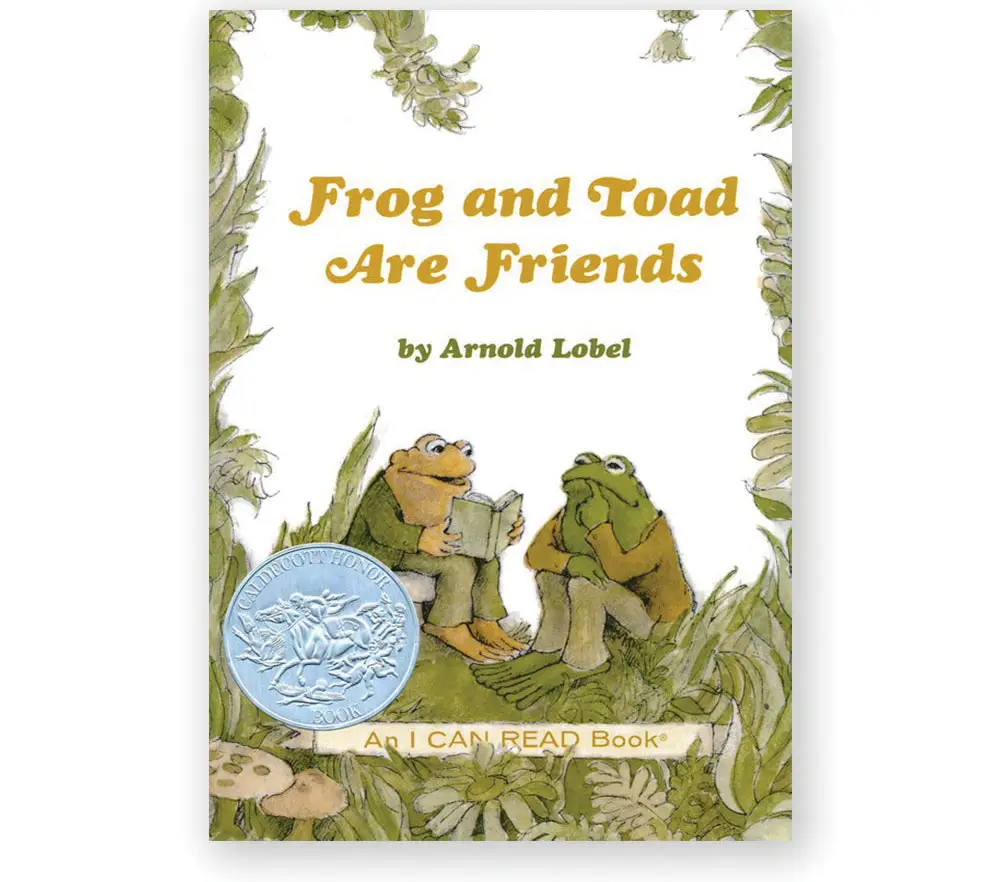
Yes, the creator of two of literature’s most beloved amphibians, Frog and Toad, was raised in Schenectady. Born in Los Angeles in 1933, Lobel moved to the Electric City to live with his German-Jewish immigrant grandparents after his parents divorced. His turbulent family dynamics caused him to seek refuge at his local library; later in life he’d write that the picture books he read were “capable of suggesting everything that is good about feeling well and having positive thoughts about being alive.” First published in 1970, Lobel’s books went on to win Newbery and Caldecott medals and are now widely recognized as childhood classics. In 2023, a mural depicting Frog and Toad riding a tandem bike was painted by local artist Fran Giordano near Frog Alley Brewing Company in Schenectady.
Seth Wheeler
Inventor, Toilet Paper
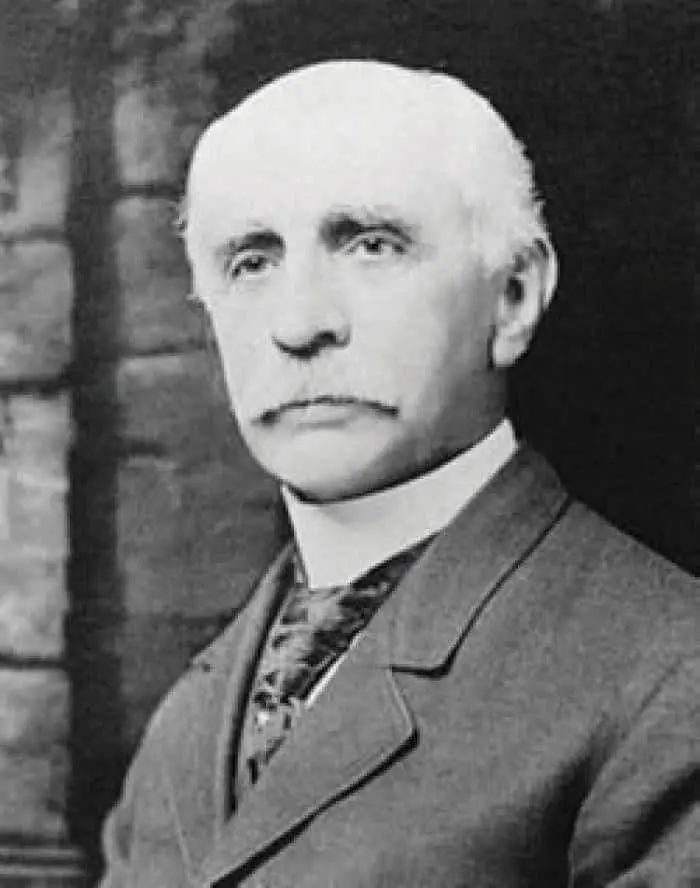
The next time you use the bathroom, you can say a silent “thank you” to Seth Wheeler, Chatham native, Albany businessman, and the inventor of perforated toilet paper. When Wheeler’s father moved his agricultural equipment manufacturing company to New York’s Capital City in 1849, he brought his family with him. A young Wheeler attended Albany Academy, where he developed an interest in equipment design. While fellow New Yorker Joseph Gayetty technically produced the first commercial toilet paper, it was Wheeler who developed a machine that could produce perforated, rolled toilet paper. It was an invention that revolutionized his business, and the—er—personal business of humans ever since.
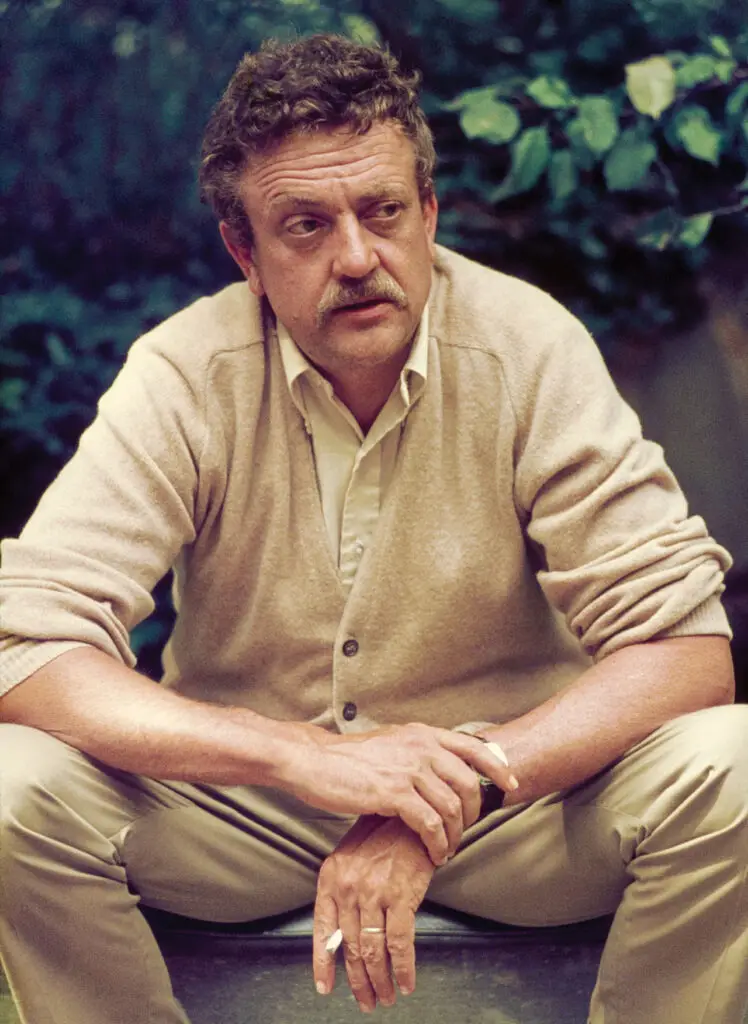
Kurt Vonnegut
Author

Today, World War II veteran Kurt Vonnegut is known as the bestselling author of more than a dozen satirical novels that were key to the counterculture movement of the 1960s and ’70s. (Slaughterhouse-Five, Cat’s Cradle, Breakfast of Champions…the list goes on.) But back when his stories were getting rejected by publishers repeatedly, Vonnegut worked as a publicist at General Electric in Schenectady and a firefighter in the Schenectady County hamlet of Alplaus. Actually, his first novel, 1952’s Player Piano, was heavily inspired by his time here: The fictional city of Ilium was based on Schenectady, and the protagonist, Paul Proteus, was inspired by GE engineer Charles Proteus Steinmetz.
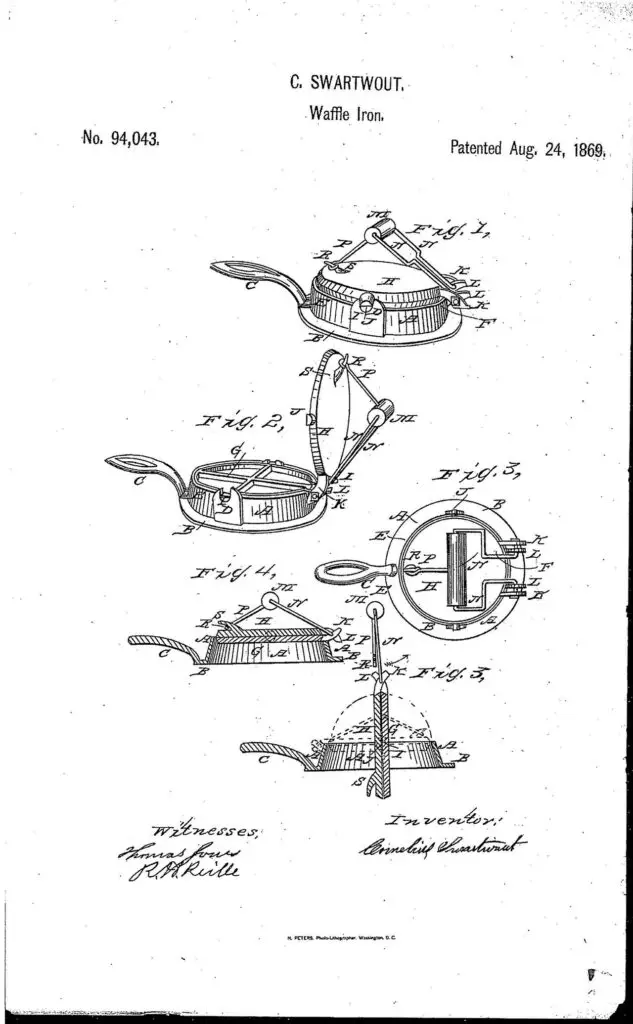
Cornelius Swartwout
Inventor, Waffle Iron
Less ubiquitous than toilet paper but worthy of note nonetheless is the waffle iron, an invention that’s enhanced continental hotel breakfasts for generations. And, oh yeah, the guy (at least partially) responsible for it is from the 518, too. A Westerlo native with Dutch heritage, Cornelius Swartwout improved upon Dutch-made waffle irons that were held over a hearth to cook. His new-and-improved waffle iron, patented in 1869, featured a novel handle that allowed for easy opening, closing, and turning on a stovetop. And…now we’re hungry.
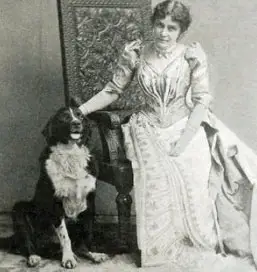
Eunice Newton Foote
Climate Scientist
Though credit would ultimately be given to her male successors, Eunice Newton Foote, Rensselaer School Graduate, women’s rights campaigner, and pioneering climate scientist, was the first person to link the rise of carbon dioxide to a rise in atmospheric temperatures. Born in Connecticut, Newton Foote received her education in scientific theory at the school that would become RPI in Troy. After making her groundbreaking discovery, she published her findings—early evidence of what would come to be known as the Greenhouse Effect—in a paper titled “Circumstances Affecting the Heat of the Sun’s Rays” that her male contemporaries discounted. It wouldn’t be until the 21st century that academics would realize her work preceded that of John Tyndall, who’d been widely credited with the discovery.