Photography By Kyle Adams
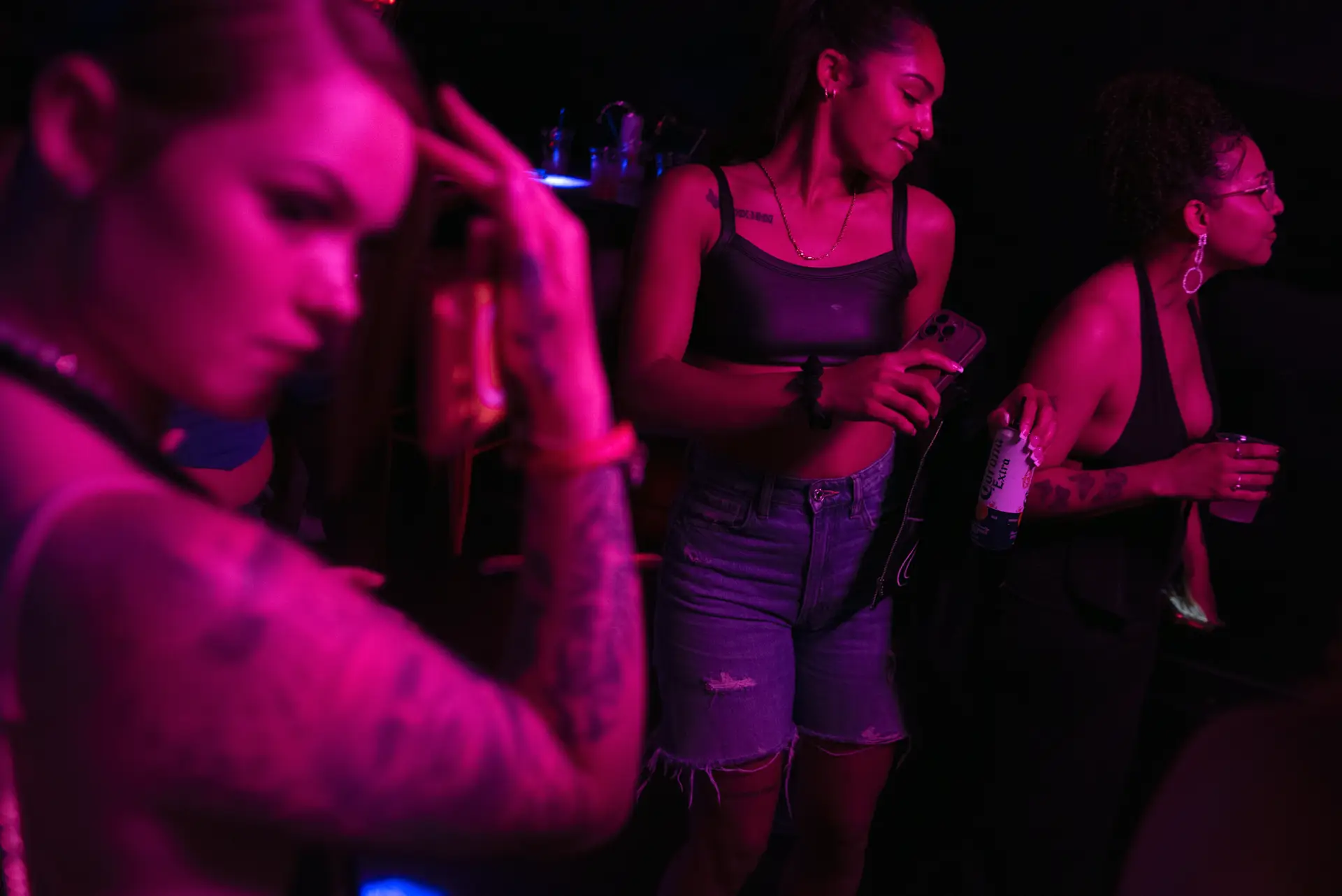
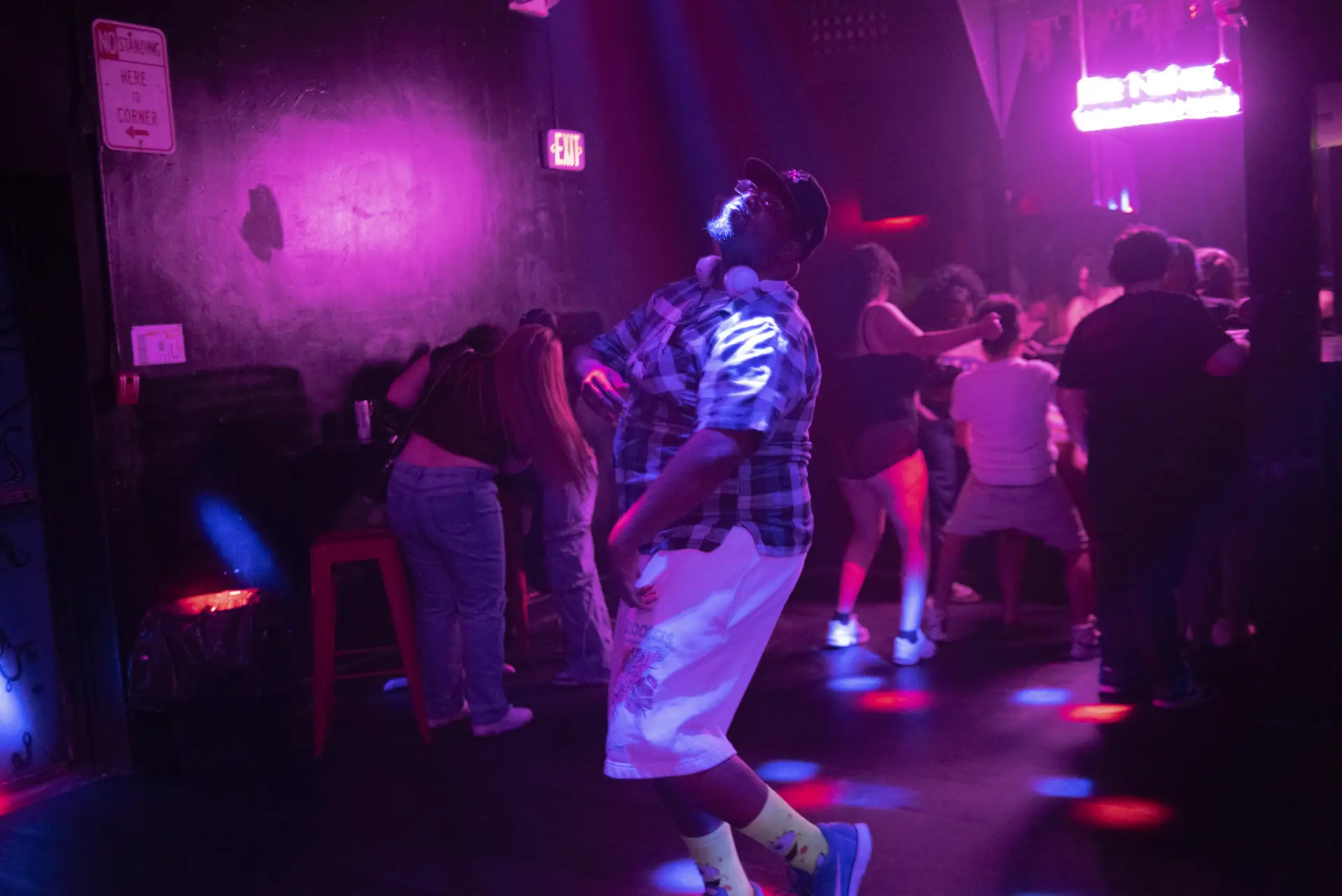
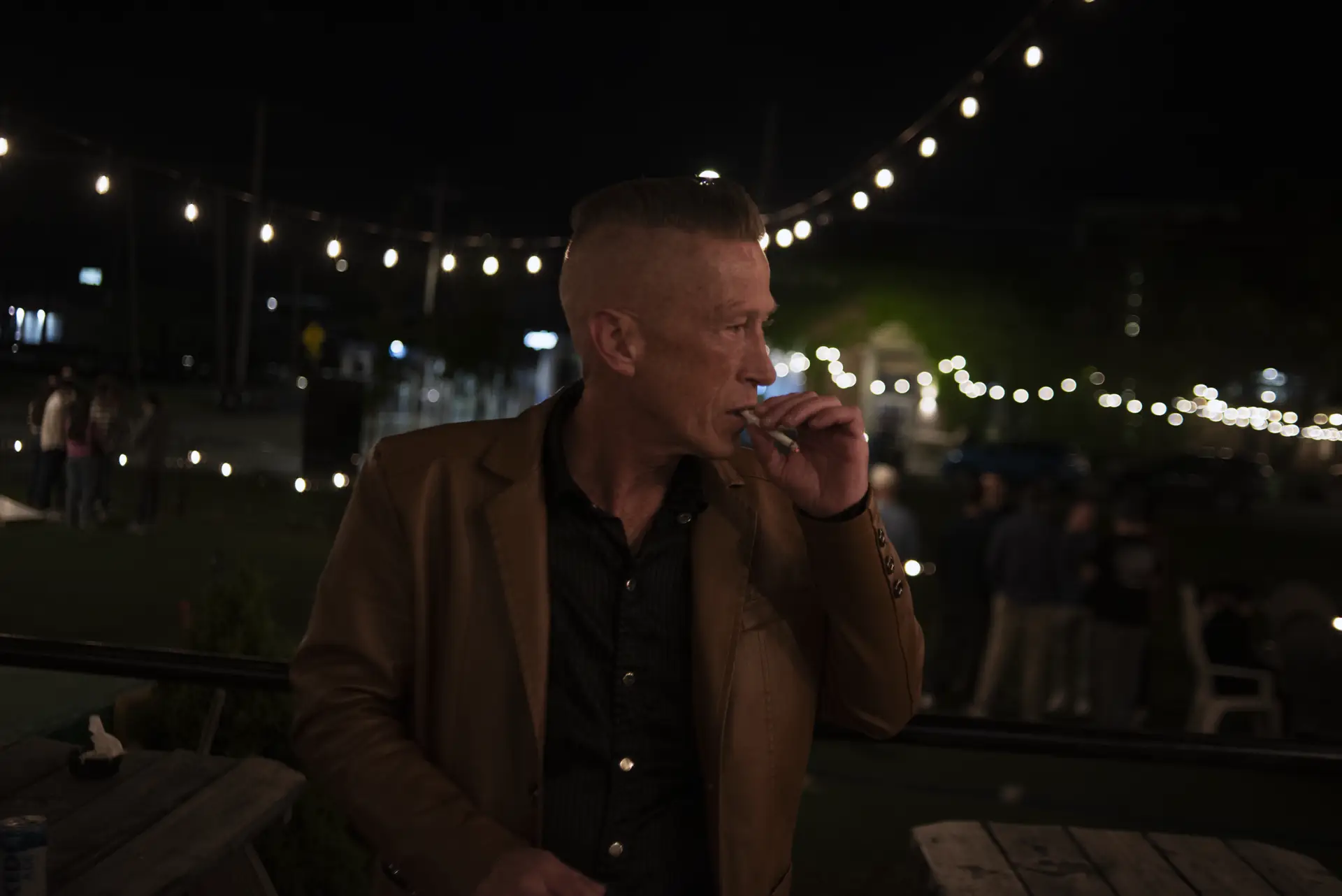
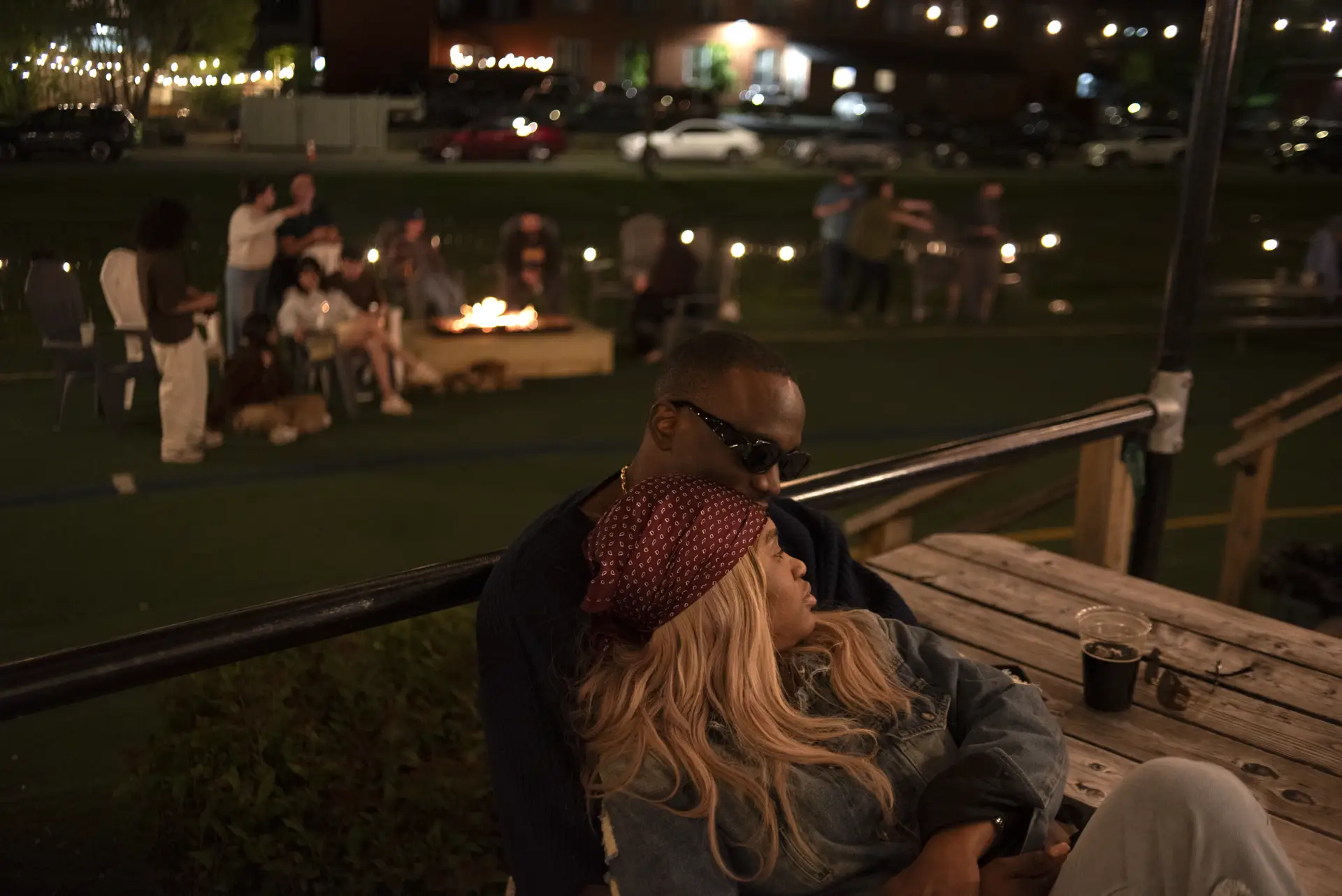
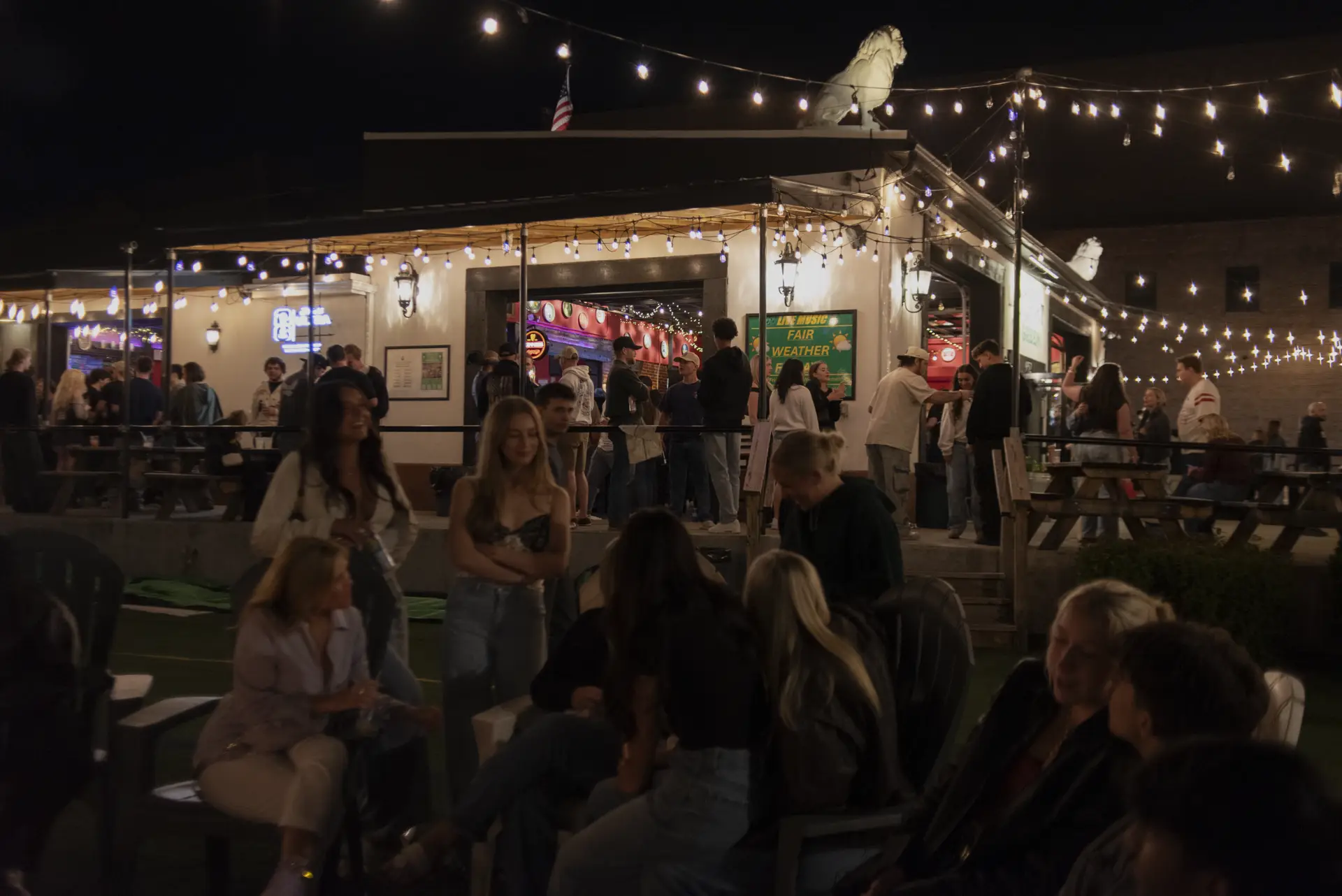
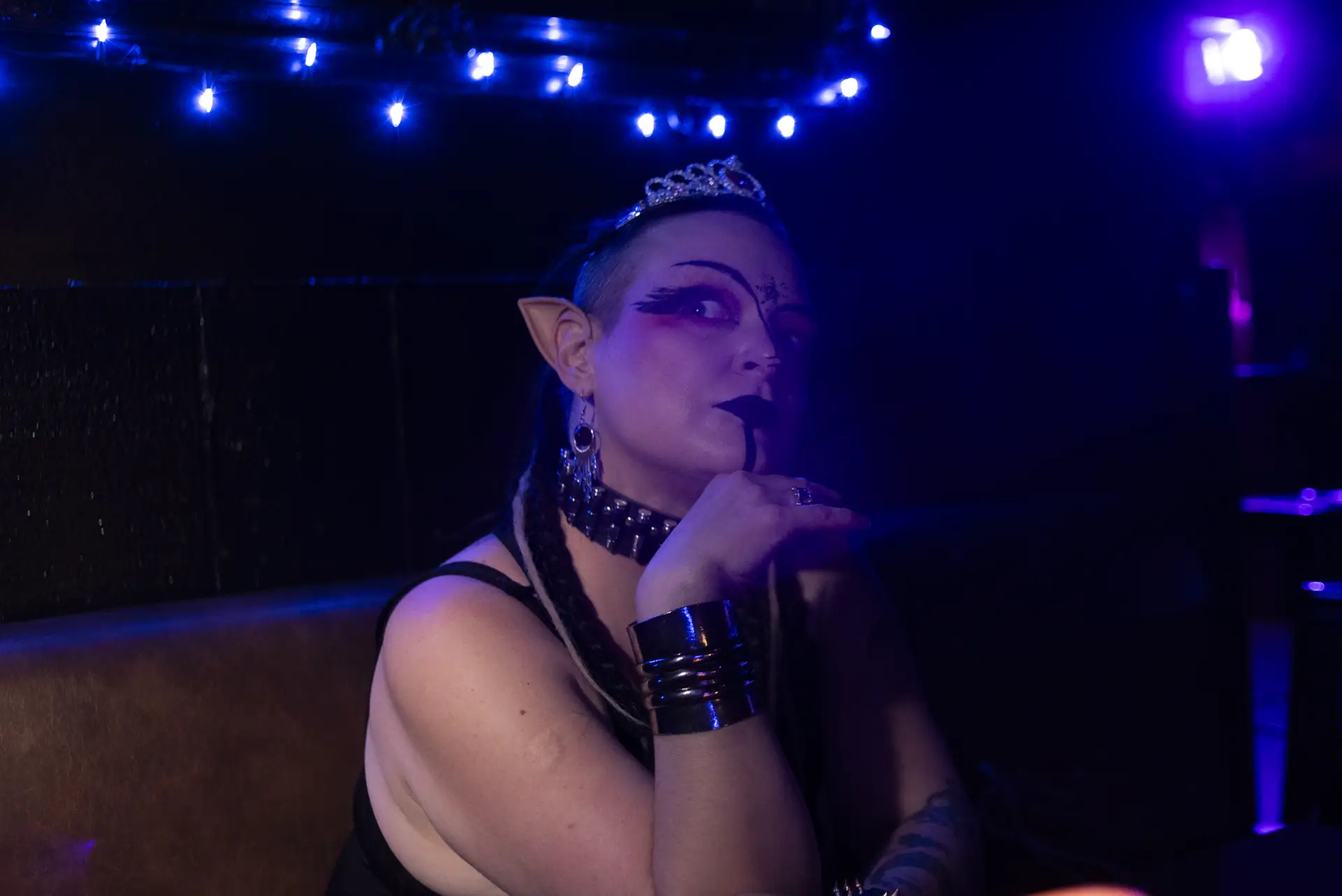
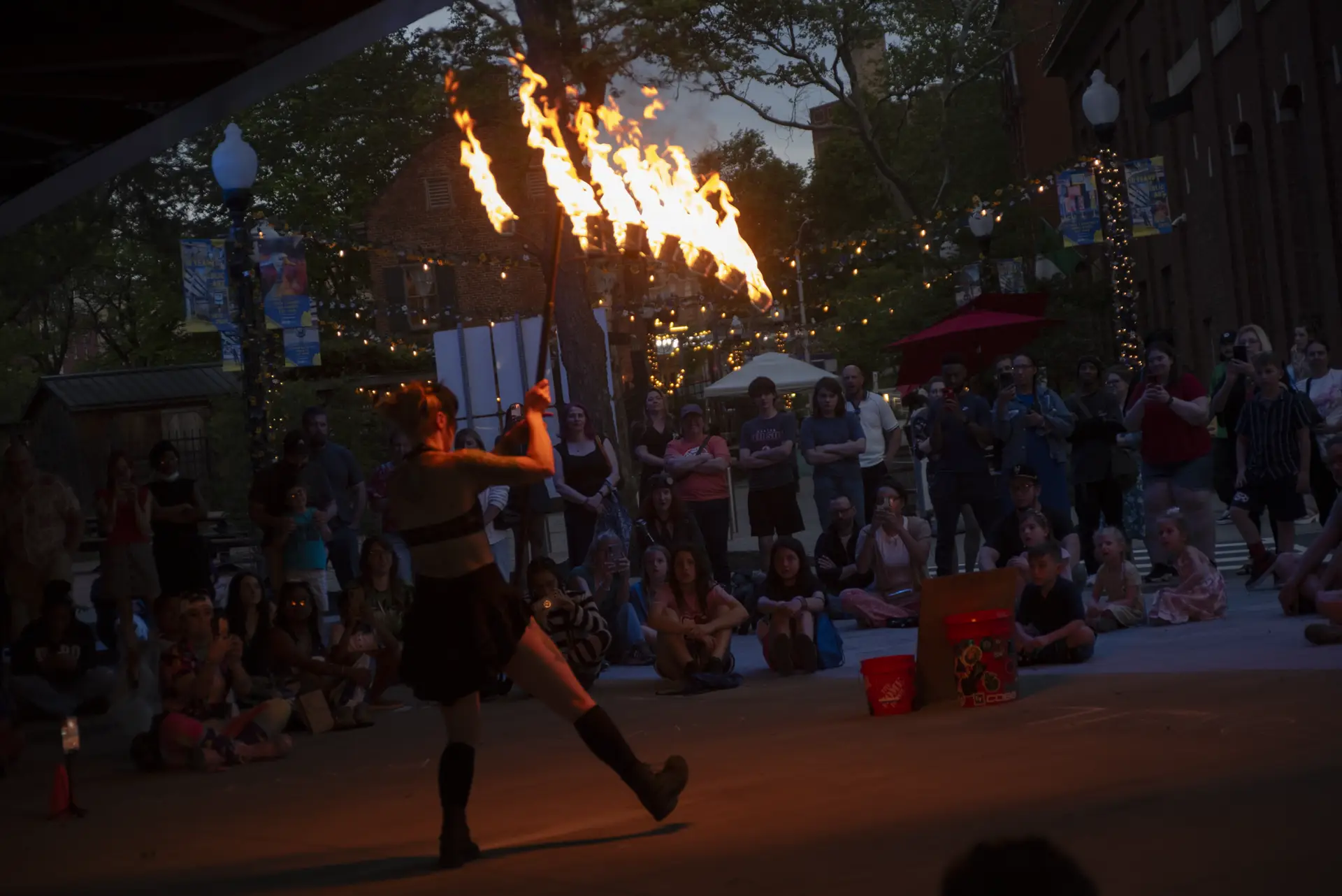
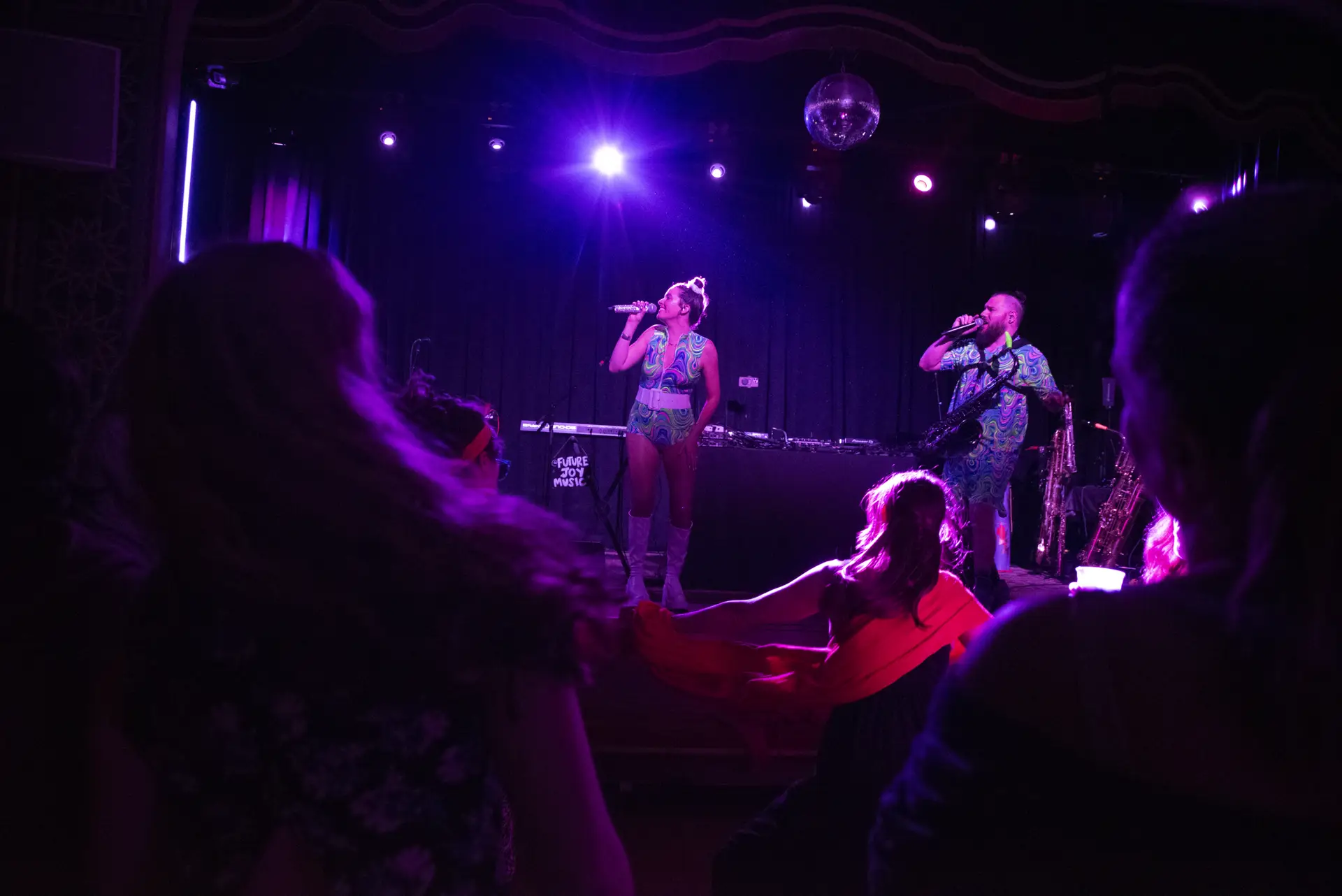
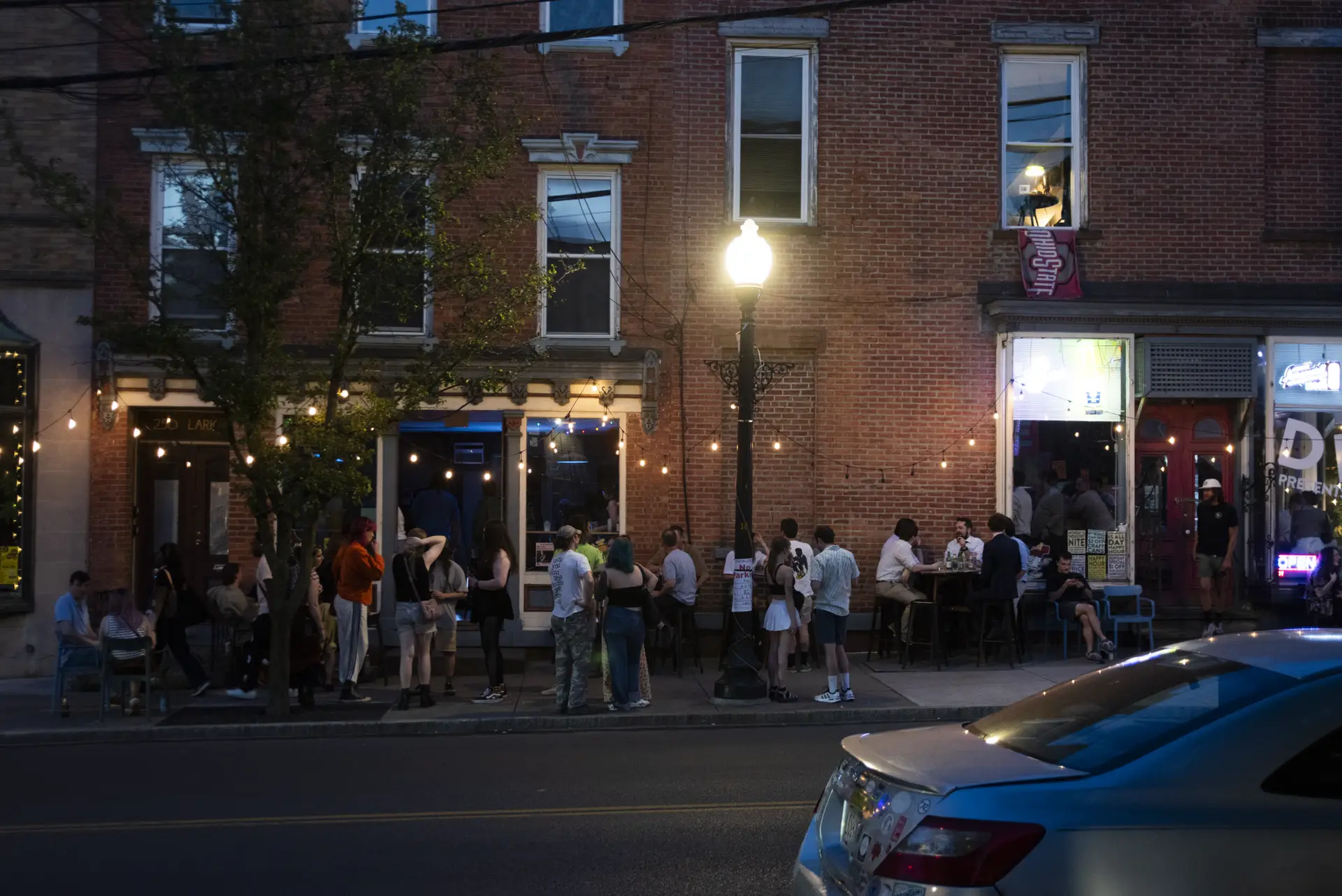
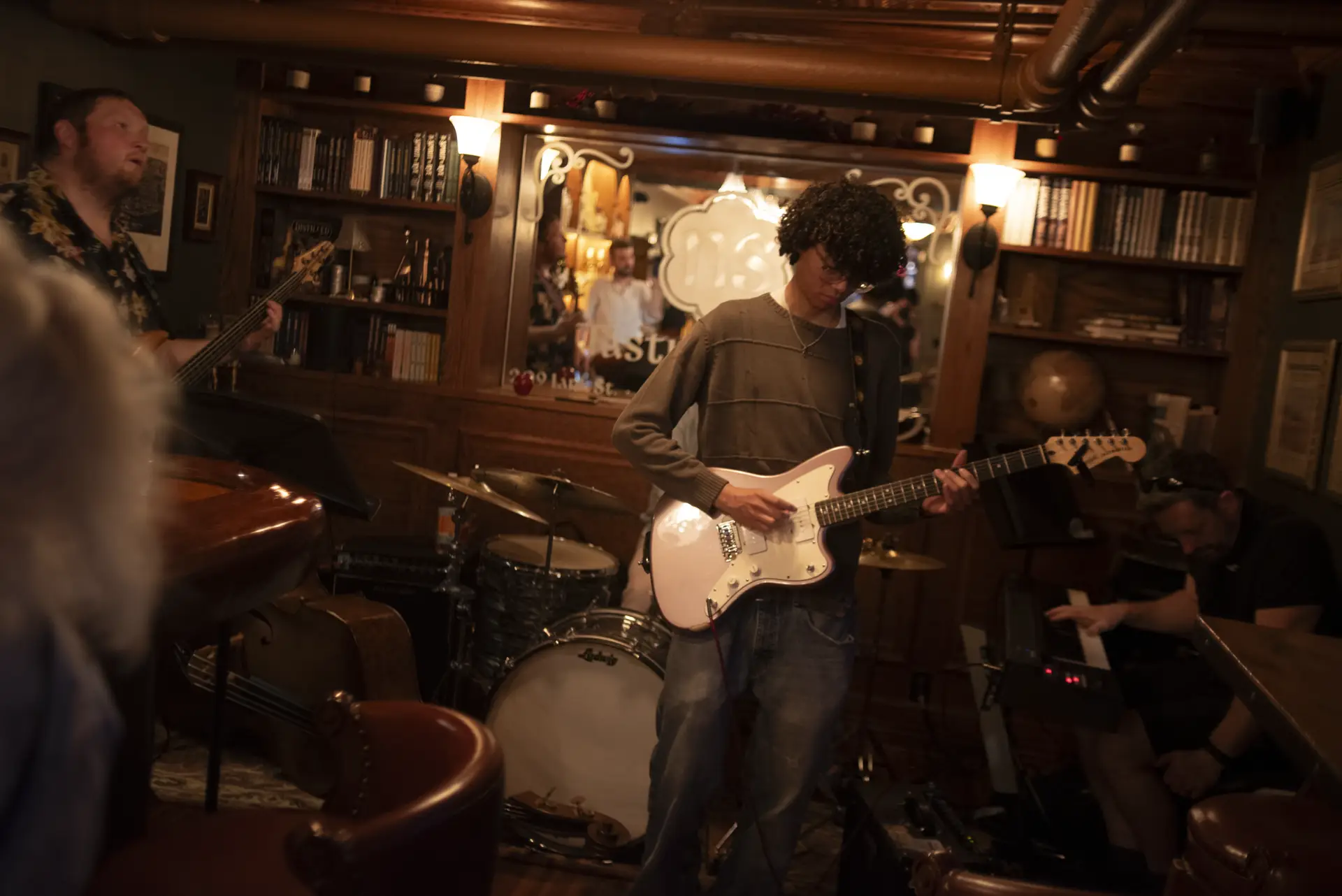
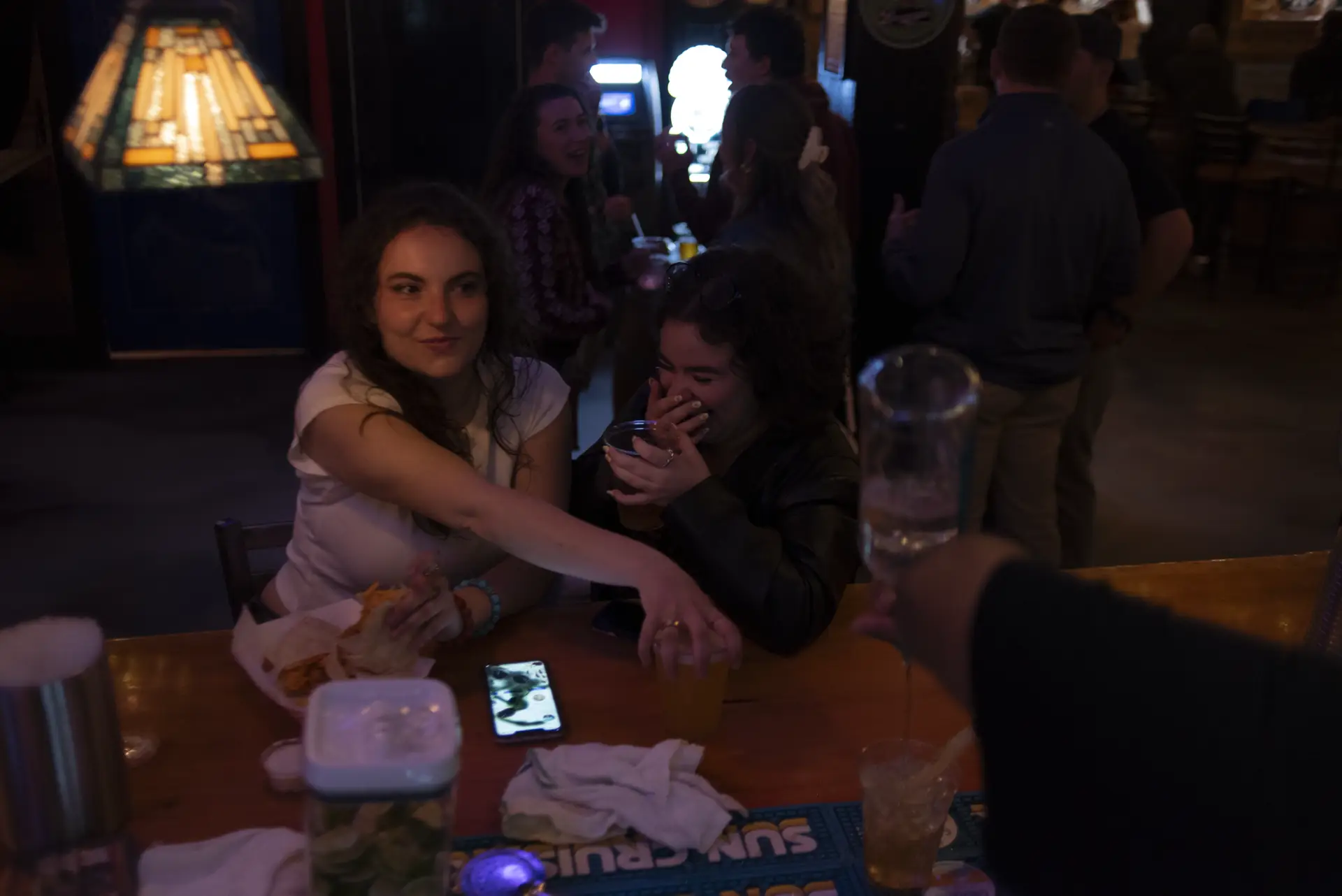
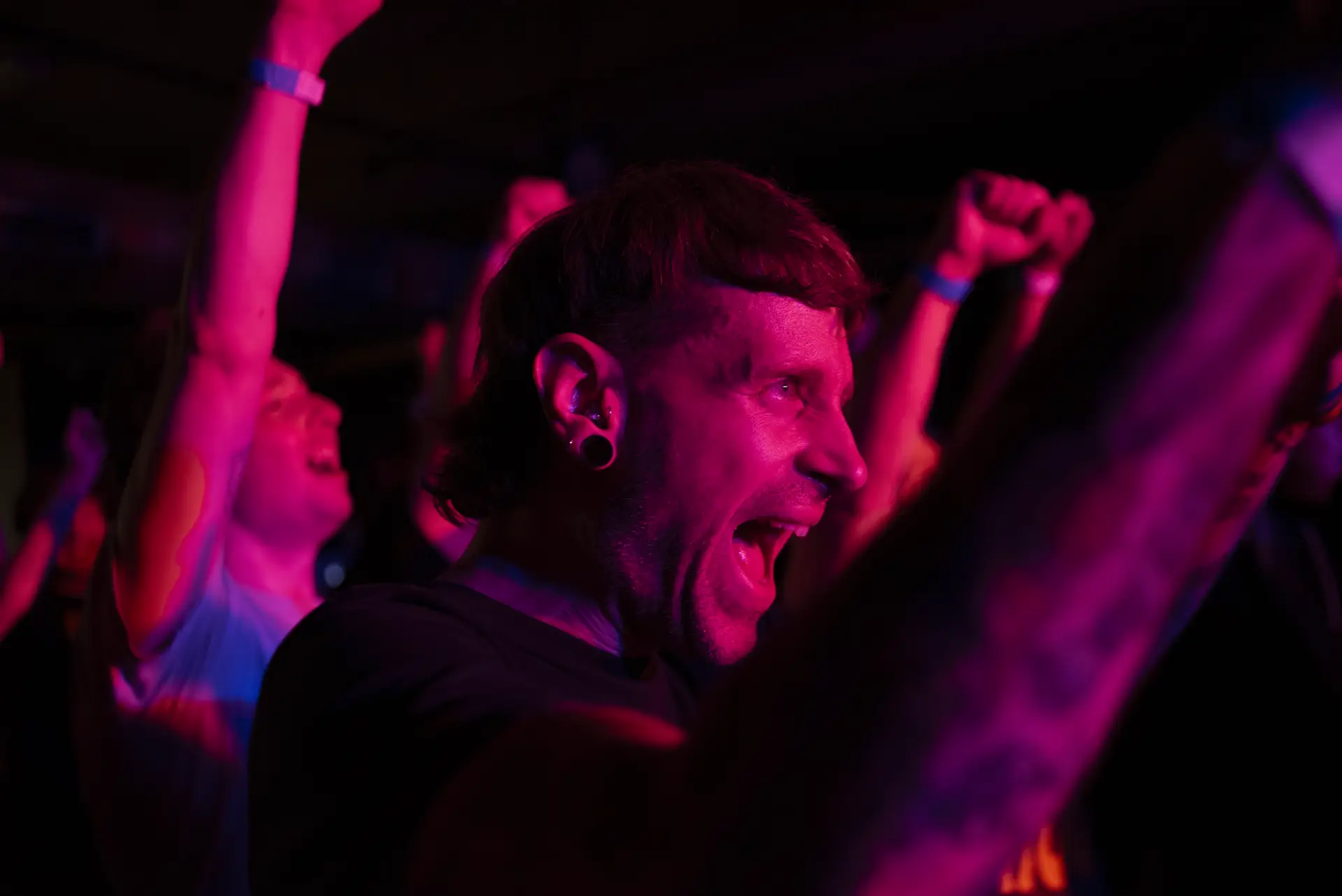
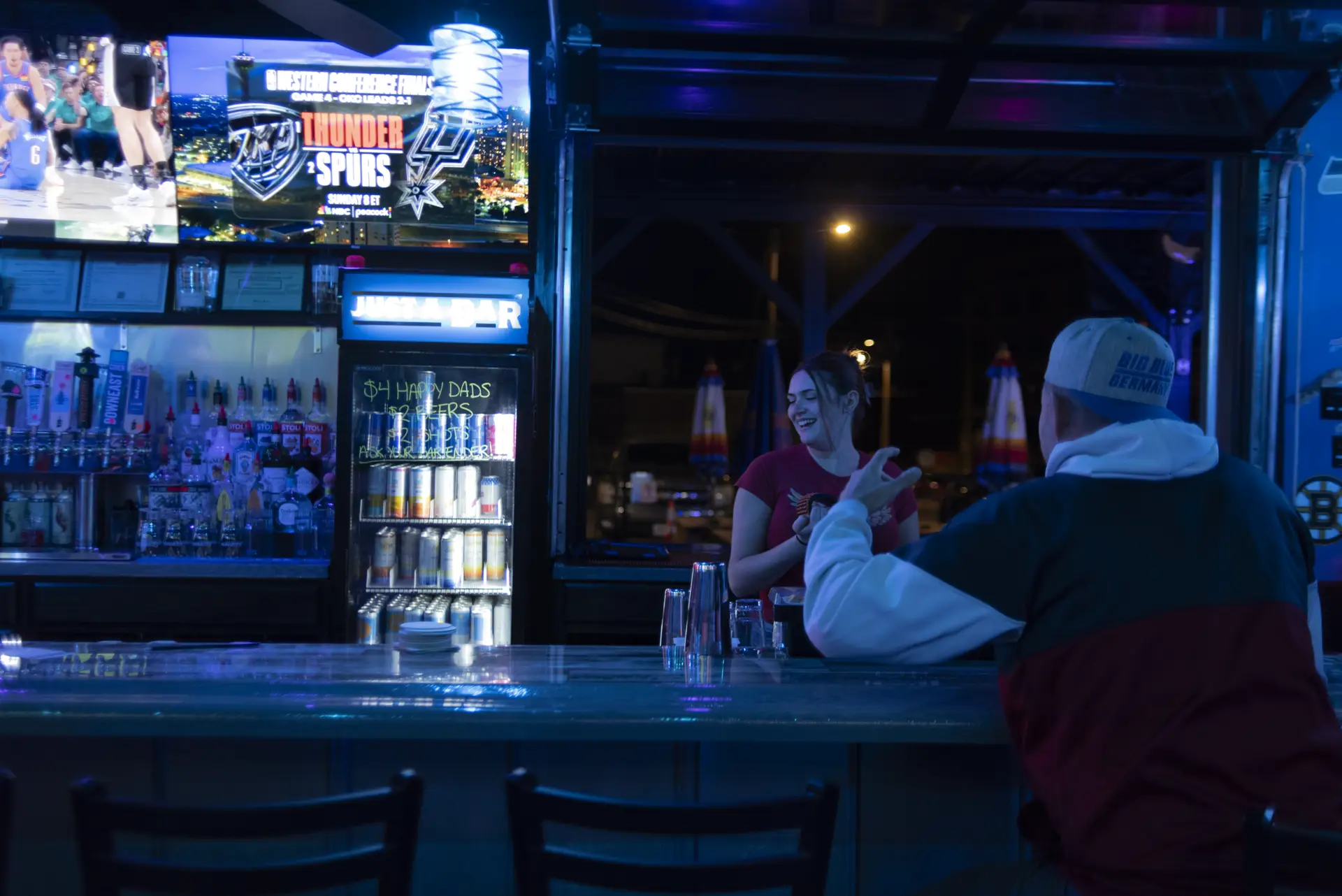
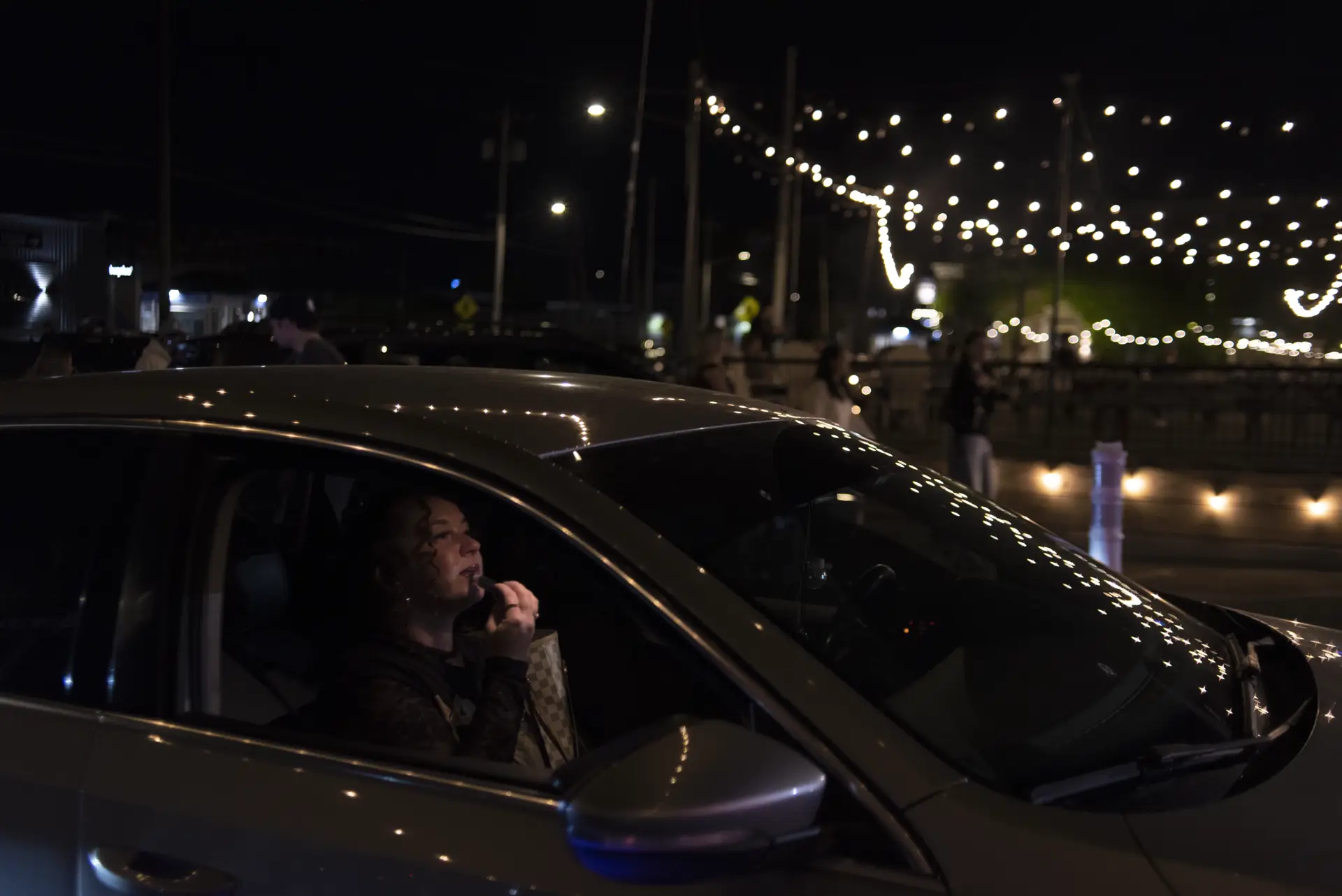
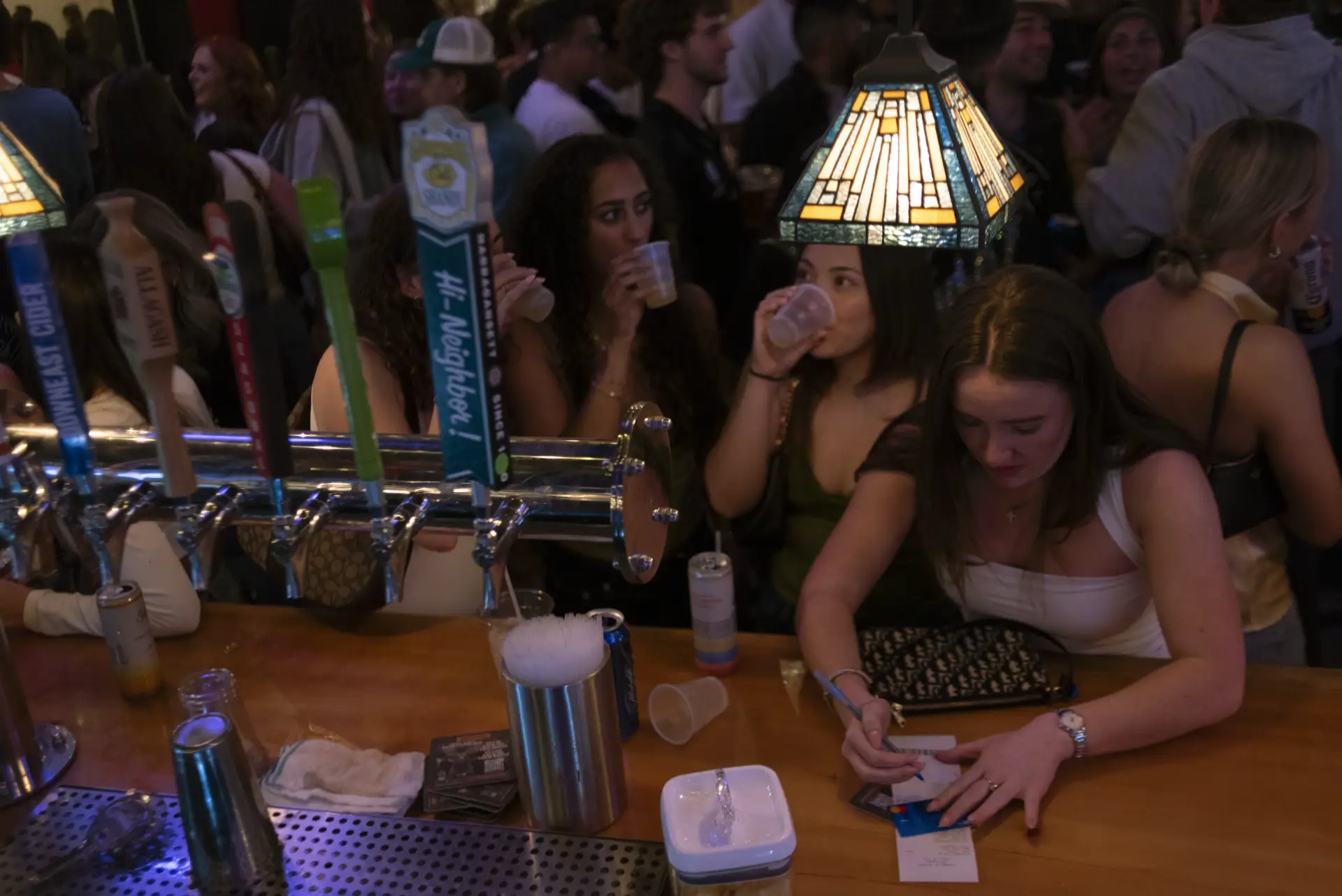
When ESPN announcer Rebecca Lobo famously dissed New York’s capital during the 2024 NCAA women’s basketball tournament, saying, “Good luck finding something to do in Albany,” a chorus of voices arose in the city’s defense. Former mayor Kathy Sheehan even offered, via a social media post, to show Lobo around.
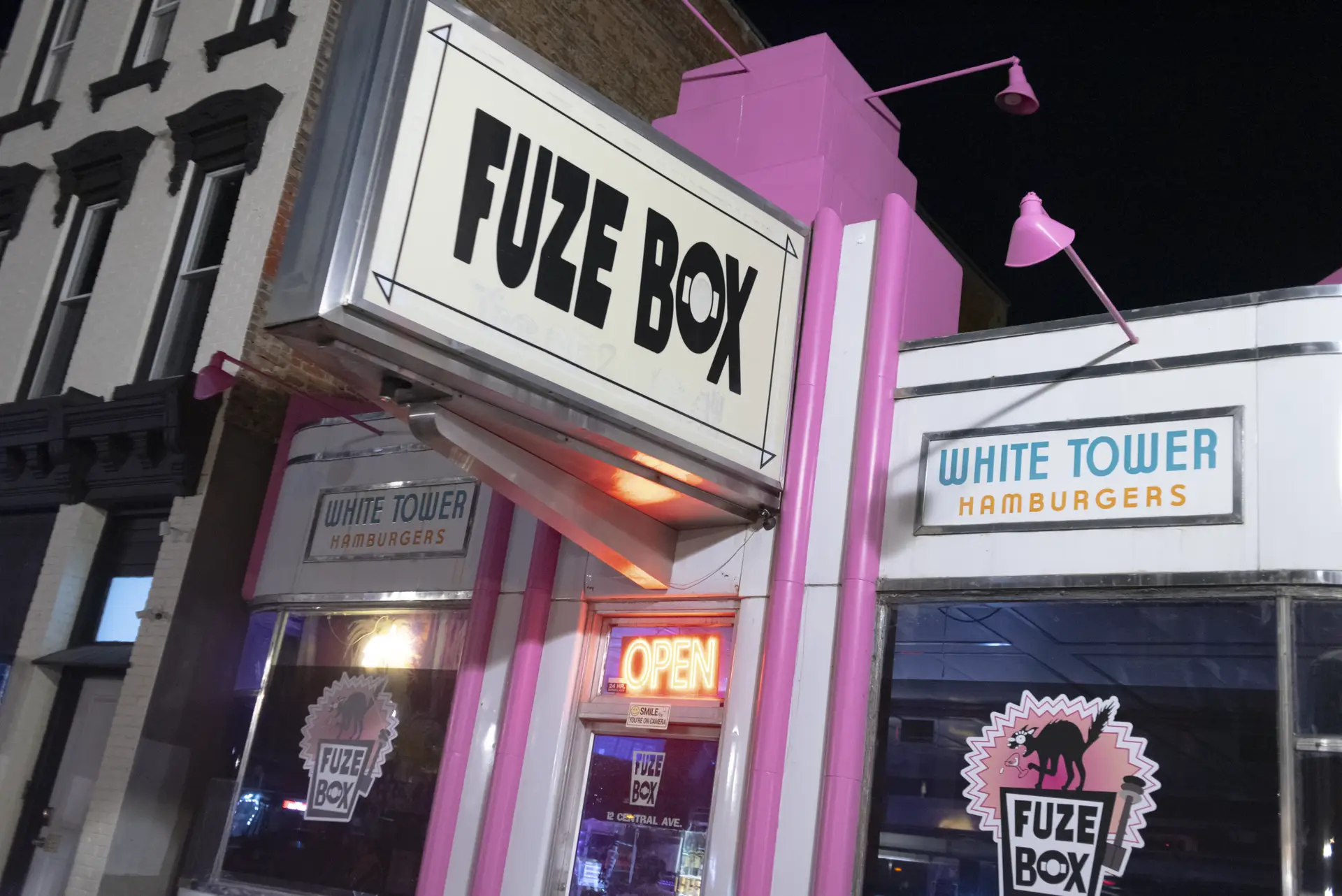
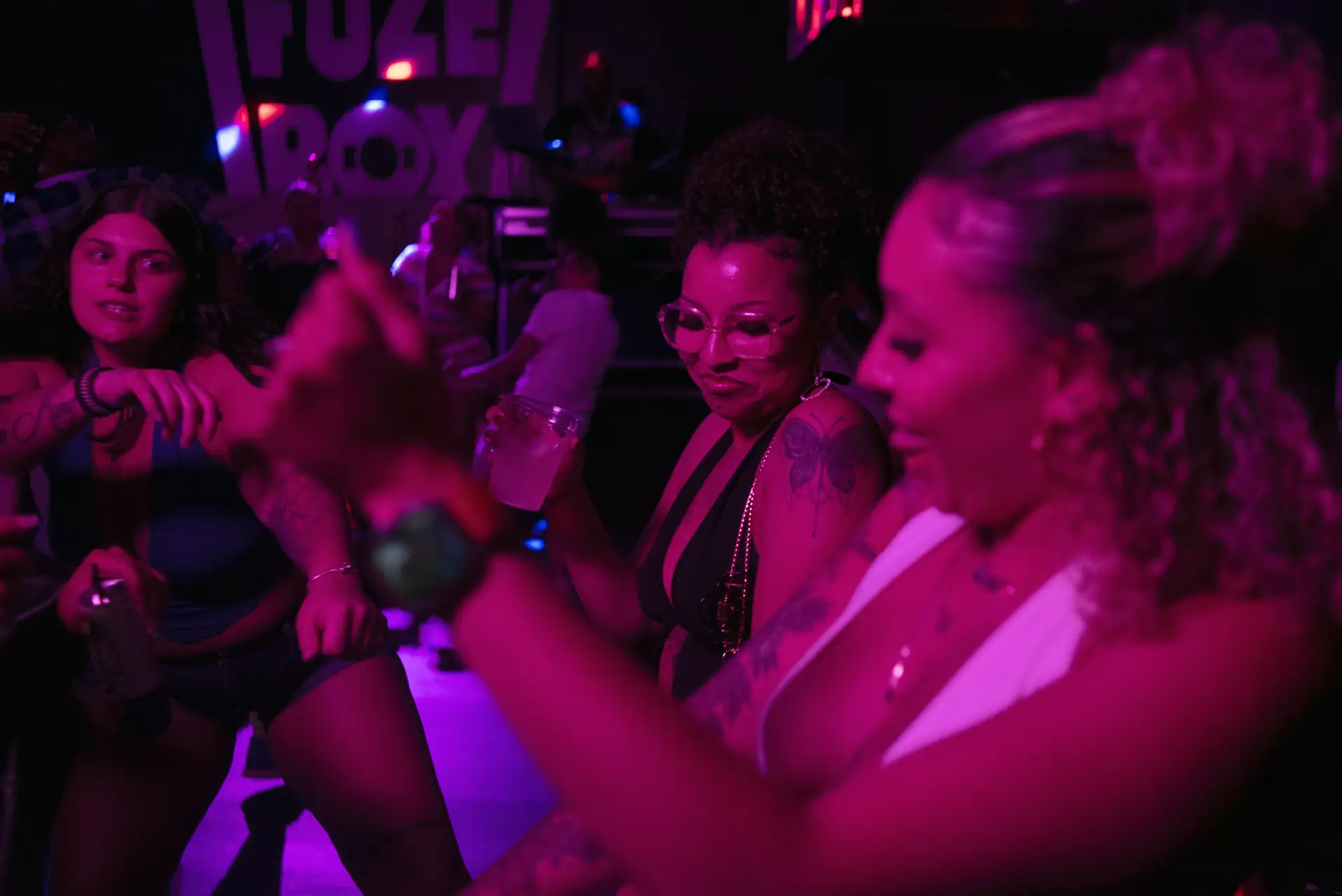
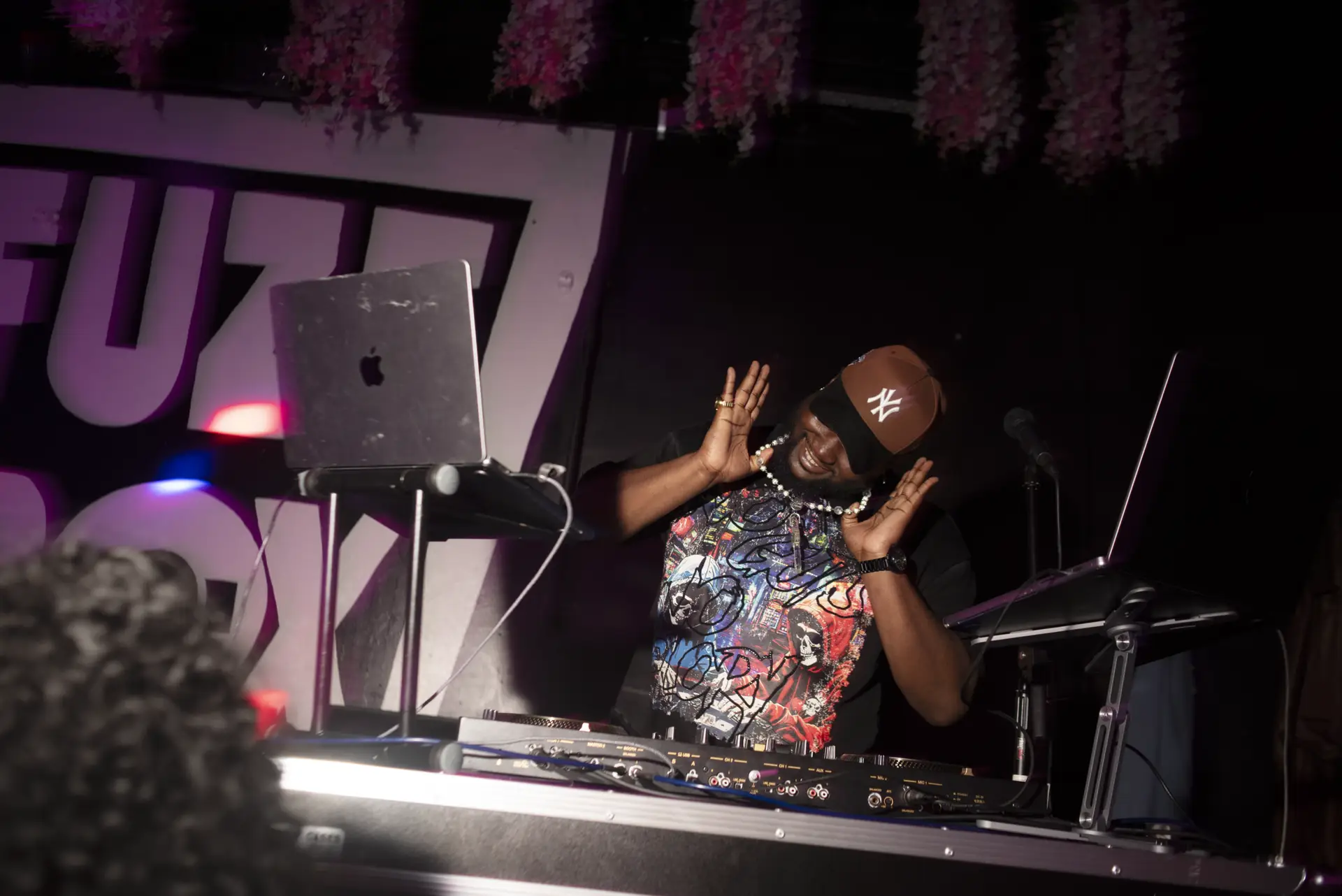
Craig Earle had a much different reaction. An Albany native and owner of the Fuze Box, a historic nightclub on Central Avenue, Earle took Lobo’s derisive comment as a personal challenge. “If the sentiment is that there’s nothing to do, I’ve got to make something to do,” he says. “If I’m one of the stakeholders in Albany nightlife, then I’m taking it upon myself to try to make things happen in Albany.”
The decline in Albany’s nightlife scene isn’t a new problem—or one that’s specific to New York’s capital. Albany has long suffered from the perception that it empties out on weekends when the Legislature isn’t in session. I can still recall a 2010 New York Times article about the governor’s mansion that referenced the city’s “eerie desolation.” But the 2020 pandemic and resulting shift to remote work was especially damaging to Albany and cities like it.
Dora Philip, who owns the North Pearl Street bar/restaurant/music venue The Hollow with her husband, Mike, says that prior to the pandemic, state workers helped sustain daily lunch service and happy hour. “We’ve gone from six lunch services a week to three,” she says. “We thought it would be a temporary adjustment when we reopened in August 2020. Six years later, we’re still on this abbreviated schedule.”
Add in the fact that alcohol consumption is declining, particularly among Gen Z, and most Albany residents will acknowledge that there’s some truth in what Lobo said.
I live in downtown Albany and attended the basketball game where Lobo’s remarks caused such a stir, watching as future WNBA star Caitlin Clark led the Iowa Hawkeyes to a thrilling victory at MVP Arena. There were nearly 14,000 people in attendance, and the atmosphere was electrifying.
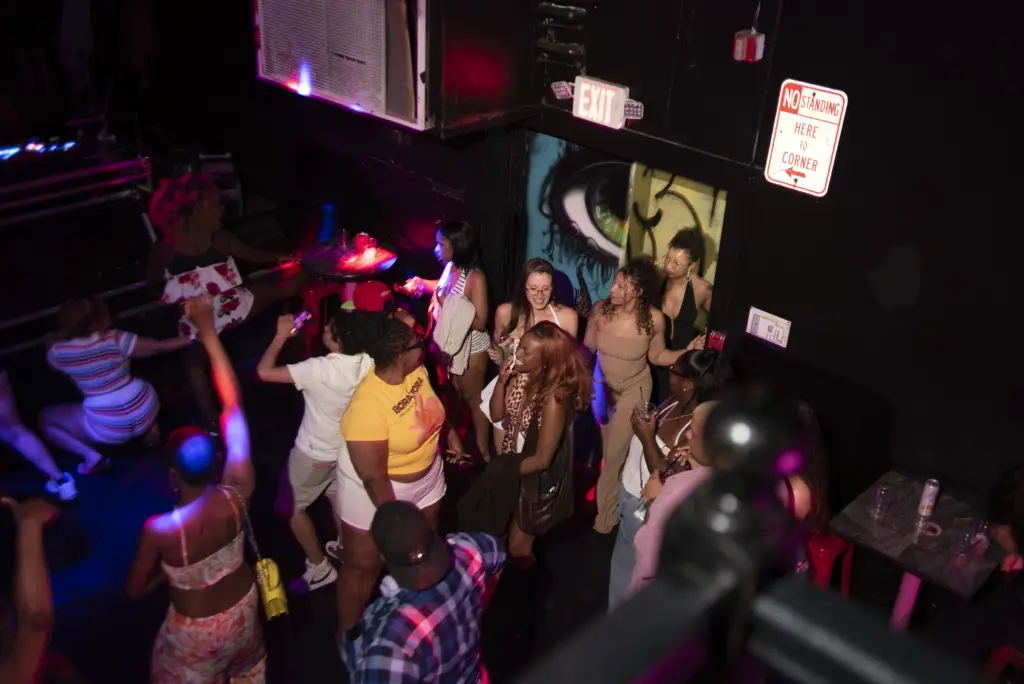
But as I walked home after the game, I wondered about the out-of-town fans. Where might they go to celebrate, or unwind? North Pearl Street, once home to a thriving entertainment district, is often quiet in the evenings if there isn’t an event at MVP Arena, the Palace Theatre, or Empire Live. If you know the city, you can have a good time in Albany—there are cool bars, tasty restaurants, and fun activities. But what if you don’t?
“There’s plenty to do if you know people in Albany,” says Earle. “But how do we make people who aren’t from here get connected here? It’s about establishing those connections and creating those bridges.”
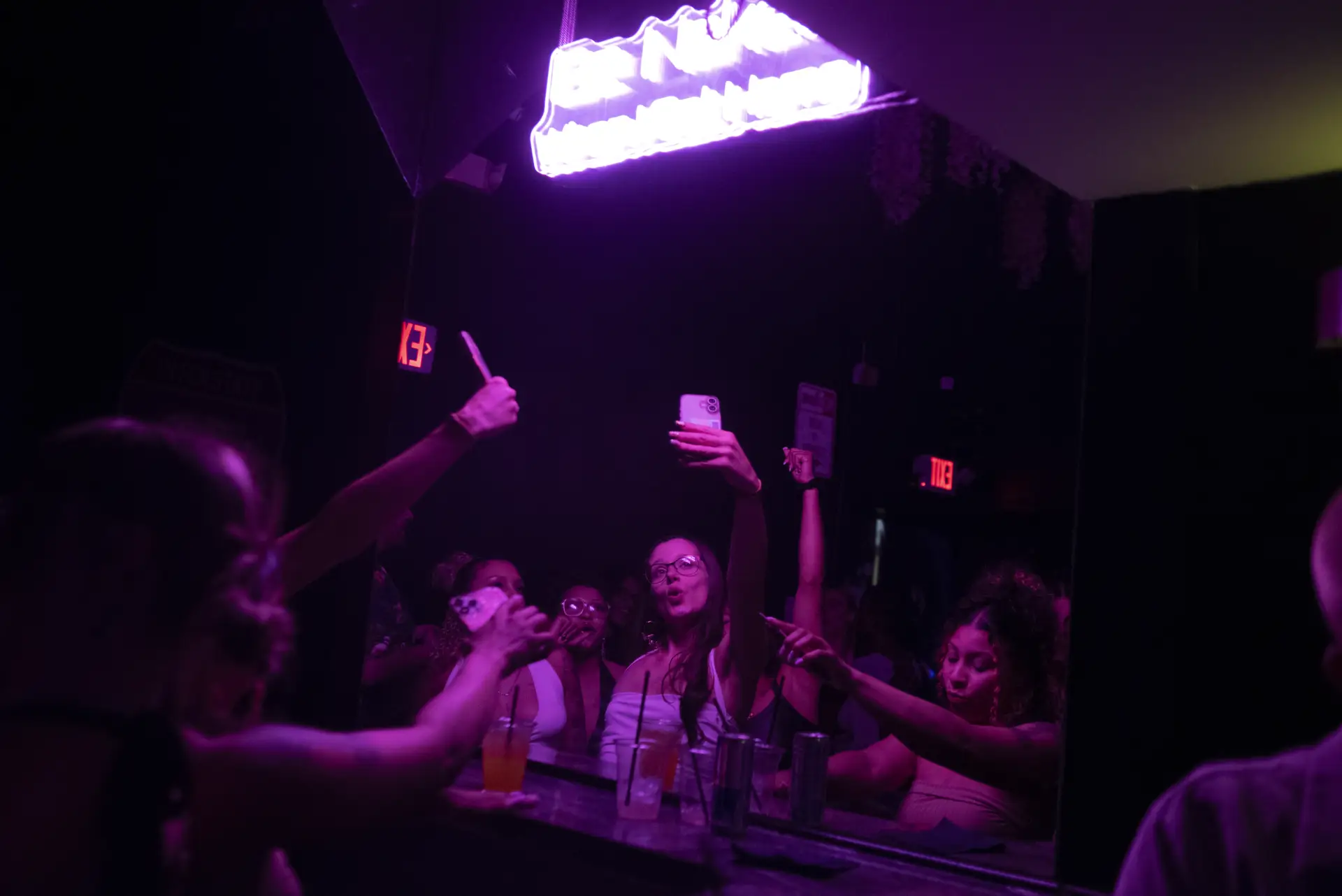
Earle isn’t alone in his desire to revive Albany nightlife. Venues, restaurants, and bars throughout the city are working hard to entice people downtown. Earle put on a Juneteenth block party in an effort to replicate similar events he’s attended in bigger cities as a DJ. Others spoke of getting creative with programming and retooling menus to appeal to changing tastes.
Even new Mayor Dorcey Applyrs has made bringing nightlife back to Albany a priority: After pledging to “turn the lights back on” in the city, she established an Advisory Council on Nightlife Economy. The group has more than 30 members, including Earle and Philip, and is developing recommendations to strengthen Albany nightlife.
Philip and other Albany business owners told me they believe the nightlife council holds promise, that the new mayoral administration is more supportive and receptive to their concerns, and that people are starting to go out more.
“When I first met Mayor Applyrs during her campaign, my eyes welled up when she said she wanted to turn the lights back on,” Philip says. “It was the first time I felt that someone in a position of potential leadership saw our plight and what we’ve been navigating alone for years.”
Applyrs understands the importance of making Albany appeal to younger generations—those who may not drink as much alcohol as their older counterparts, but who are still seeking opportunities to get out of the house. To that end, she tapped Sean Millington, a 22-year-old Rockefeller College graduate, to serve as mayoral fellow. He’s helping lead the nightlife council and build stronger connections between the City of Albany and college students. “When I talk to my peers about what they want to do after college—whether they want to stay here—they say, ‘There’s nothing to do here; it’s not fun,’” Millington says. “I’ve heard people a little older than me say Albany used to be more vibrant. We want to bring that back in a safe and responsible way.”
Millington himself doesn’t drink—typical of his generation—but that doesn’t mean he wants to stay home. “We want more events, more things to do outside,” he says of his peers. “We certainly still like to socialize.”
Local bar owners are picking up what Gen Zers like Millington are putting down. Bridget McGinley, who co-owns Lost & Found in the Warehouse District, says that for young people, the opportunity to have a drink with friends isn’t always enough to get them out. “We’re really trying to get creative here,” she says. Karaoke does well at Lost & Found, as do theme nights. A burlesque comedy drag show that paid tribute to comedian Tim Robinson sold out earlier this year, and a Total Request Live karaoke night was packed. “People showed up in NSYNC shirts,” she says. “It was nostalgic; it was fun. Even if it wasn’t your genre, the vibes were on.”
Over at Lark Hall, the second-floor performance space on Lark Street, and The Eleven, the building’s first-floor restaurant that hosts free live music more than 100 nights a year, owners Jenn and Justin Miller are catering to a new generation of Capital Regionites, too. At The Eleven, there’s a robust mocktail menu and non-alcoholic options; coffee is always available. There’s also a pool table, games, books, and a lounge area. When the weather is nice, the Millers bring in vendors to sell clothing, jewelry, food, and more. “We really try to activate our corner of the world, so it draws people in,” Jenn says. “We try to make it like, ‘Wow, what’s going on on that corner?’”
Bringing more people to Albany, Jenn continues, involves addressing perceptions that the city is unsafe and unclean. “We can say all the things we want about how the lights are back on,” she says, “but we really have to show people that we’re doing things to make the city welcoming for people from outside.”
Philip from The Hollow agrees. “Addressing safety narratives and creating opportunities for new businesses to occupy long-time empty storefronts are priorities,” she says. “The goal is to create a city that’s uncomplicated, vibrant, and accessible to all.”
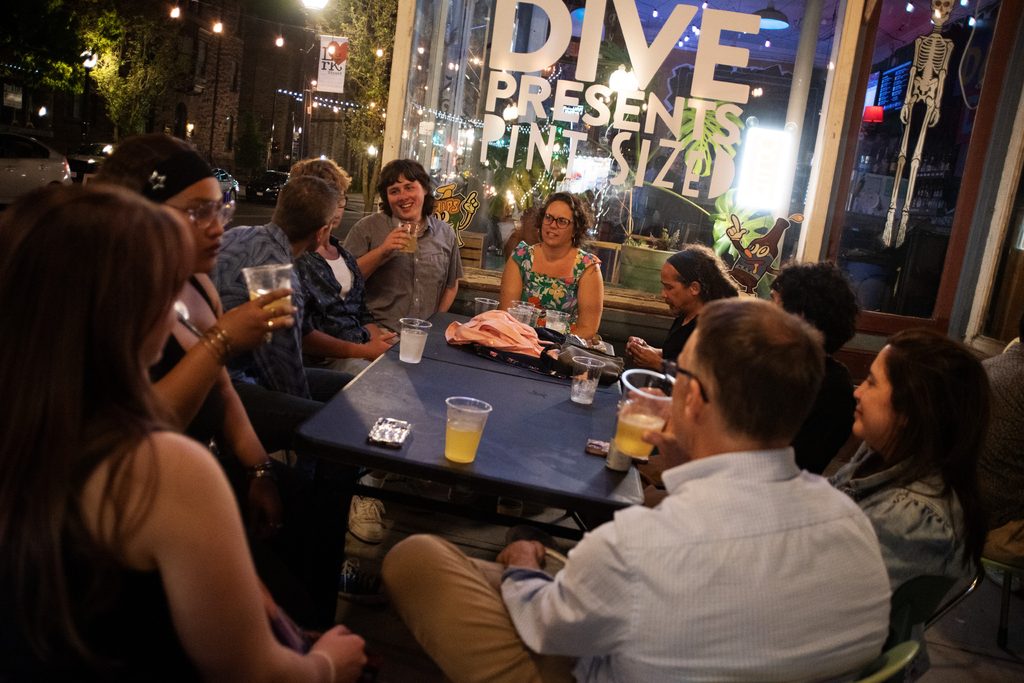
Mayor Applyrs’ nightlife council is expected to publish a full report this July. But maybe the fact that the taskforce exists at all is giving Downtown business owners the boost they needed to do the legwork of bringing in customers themselves. Anecdotally, at least, there seems to be a shift underway. August Rosa, who owns Pint Sized on Lark Street and books shows at multiple venues under the Dive Presents name, says he has yet to match the traffic his bar saw in 2019, but he’s encouraged: Sales were up almost 20 percent in 2025 and are up 10 percent so far this year. His concerts are also selling out.
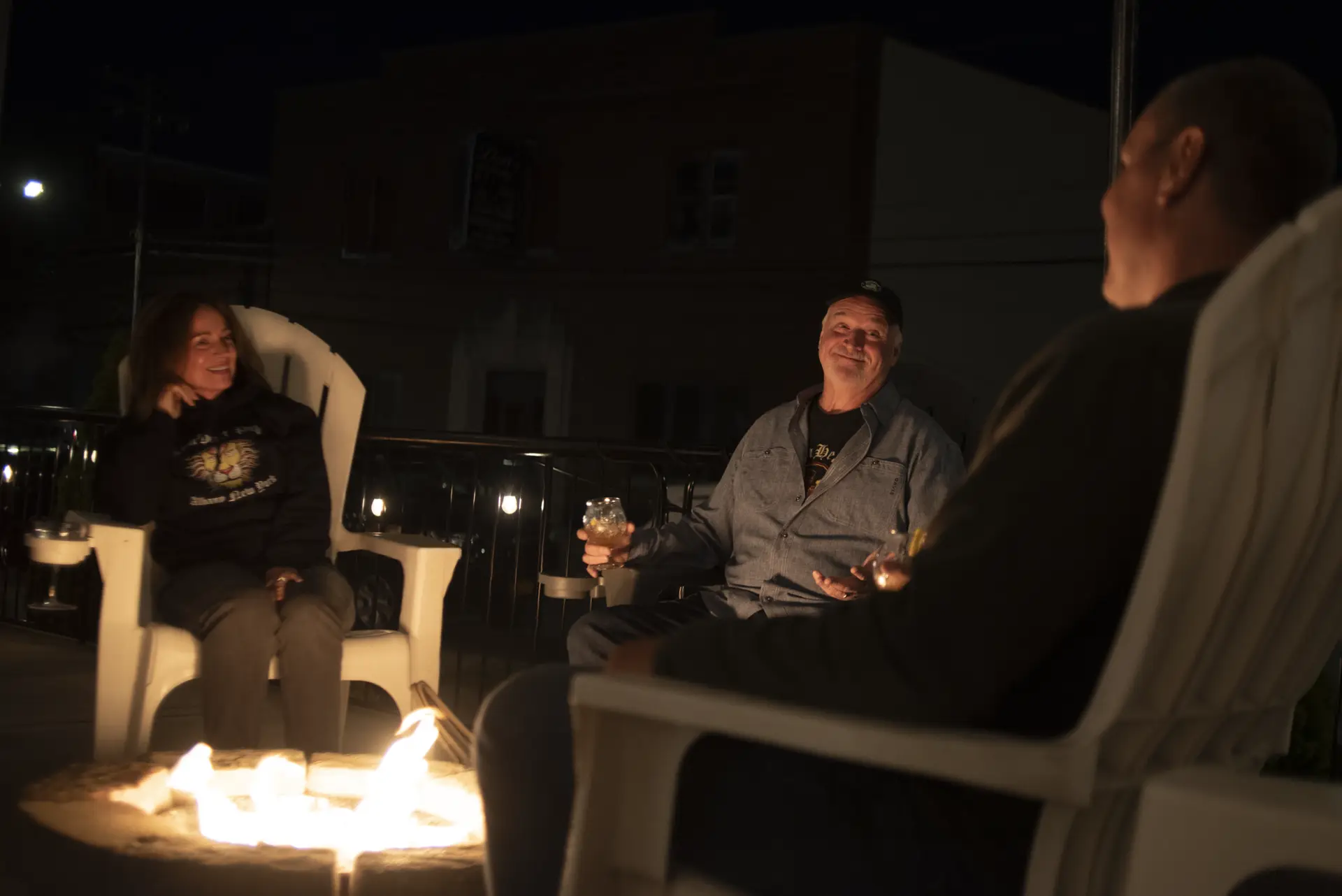
And while Lark Street hasn’t quite bounced back to its pre-pandemic form (LarkFest, a raucous music festival that used to lure thousands to the street, hasn’t returned post-COVID), the Warehouse District has emerged as a hip new area with breweries, bars, and restaurants with reasonably priced, quality food. While the area is popular with younger crowds (see: Lionheart on the Green), it attracts people of all ages who are drawn by the opportunity to eat at Tanpopo Ramen, sample a new beverage at Nine Pin Cider, or catch a World Cup game at Wolff’s Biergarten.
“Nightlife is not disappearing,” McGinley says. “It’s evolving.”