Understanding the Classic Pixie Cut and Its Cultural Legacy
To determine if a pixie cut suits you, evaluate your face shape, natural hair texture, and styling commitment. A pixie cut works on virtually anyone when tailored properly: oval and heart faces shine with soft, brow-skimming layers; round faces benefit from crown volume and tapered sides; and square faces are balanced by wispy, textured edges. Fine hair gains instant volume from short layering, while thick or coarse hair thrives with internal debulking or an undercut. If you are comfortable highlighting your facial features and ready for 4-to-6-week maintenance trims in exchange for a five-minute daily styling routine, a pixie cut is an ideal match for your lifestyle.
The pixie crop has never been just another short haircut; it has consistently acted as a statement of identity, individuality, and artistic freedom. When Audrey Hepburn famously had her locks shorn in the 1953 cinematic classic Roman Holiday, the moment represented her royal character casting aside stifling institutional expectations for personal liberty. That single on-screen chop catapulted short hair into mainstream post-war fashion. Throughout the 1960s Mod era, cultural trailblazers like Mia Farrow in Rosemary’s Baby, supermodel Twiggy, and style muse Edie Sedgwick proved that a cropped silhouette could feel avant-garde, modern, and remarkably chic.
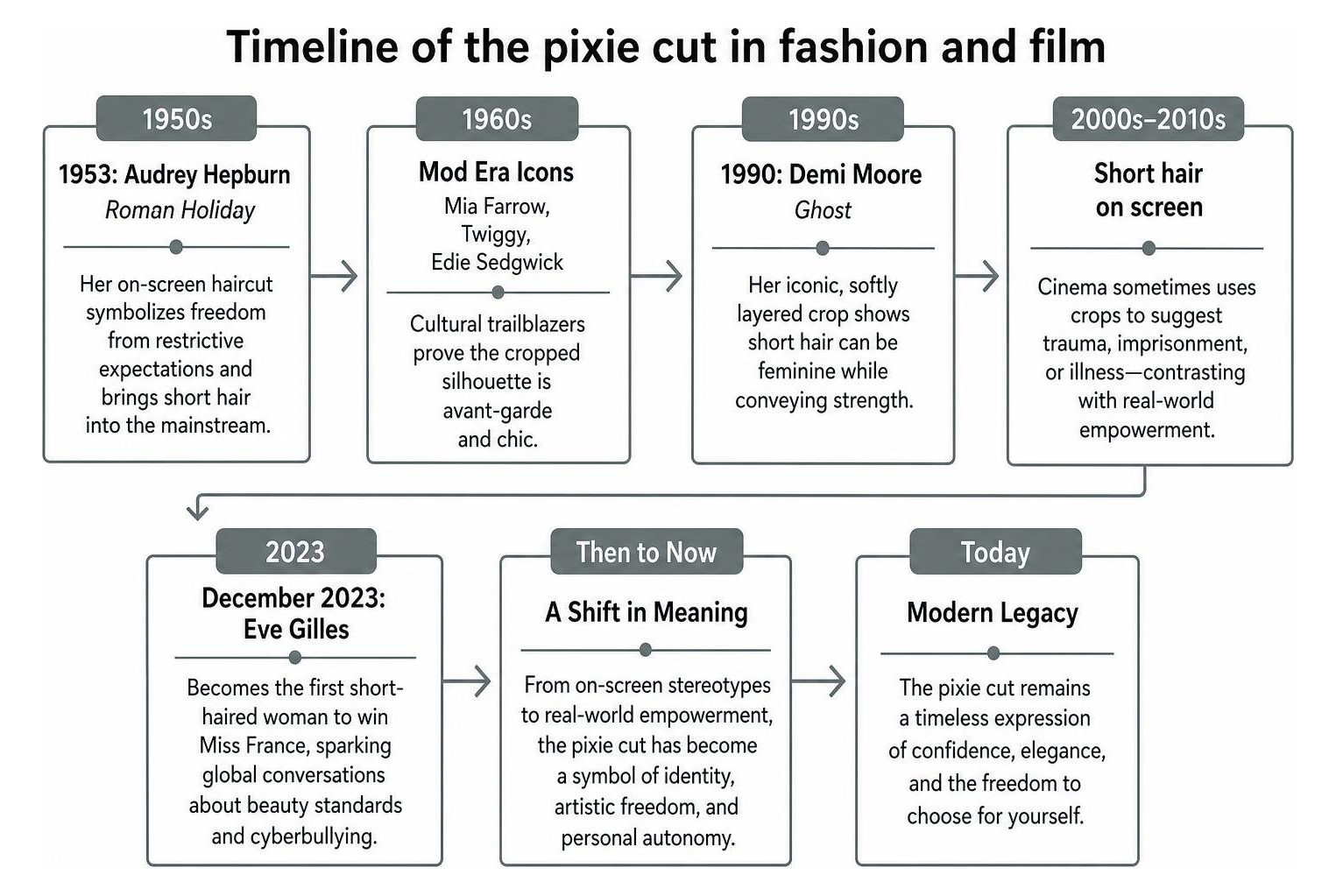
Historically, cinema has occasionally employed short crops as visual shorthand for trauma, imprisonment, or illness. However, the cultural reality outside Hollywood tropes tells a very different story. When Demi Moore sported her iconic, softly layered crop in Ghost in 1990, she proved that short hair could remain deeply feminine while conveying grounded strength.
More recently, short haircuts have directly challenged rigid social norms on global stages. In December 2023, Eve Gilles made headlines worldwide by becoming the first short-haired woman to win the Miss France crown, sparking international conversations about modern beauty standards and cyberbullying. The historical evolution of the crop demonstrates that choosing a short hairstyle reclaims personal autonomy, showing that elegance and confidence do not depend on long strands.
The Modern Gamine Pixie Cut Comeback
We are seeing a stunning resurgence of classic Hollywood nostalgia blended with clean, modern minimalism. The gamine pixie revival embraces soft cropping that highlights the delicate curves of the neck, jawline, and cheekbones without relying on harsh or overly masculine perimeters.
Unlike severe, rigid crops of decades past, today’s gamine style focuses on lived-in movement, wispy micro-fringes, and touchable softness. It mirrors contemporary fashion’s shift toward understated luxury, delivering a look that feels effortless yet impeccably tailored. This cut works wonders for fine hair textures by removing excess weight to build an illusion of density, while giving thicker hair an airy, weightless bounce that moves naturally throughout the day.
Edgy Undercuts and Bold Variations
For those craving stronger contrast, flattering undercut pixie styles blend punk-inspired edge with elevated refinement. By keeping the top layers longer and choppier while clipping or closely tapering the nape and sides, an undercut creates striking visual depth.
This variation serves a functional purpose for individuals with dense or mature hair textures. Removing heavy bulk underneath drastically reduces daily drying time and stops short hair from ballooning outward. The longer crown can be smoothed down for executive boardrooms, swept to one side for casual brunches, or styled upward with texturizing clay for evening events, giving you multiple distinct looks from a single haircut.
Assessing Your Face Shape and Hair Texture
A common myth is that you need runway-model facial features to pull off cropped locks. In reality, skilled stylists design short haircuts much like architects design buildings—by assessing proportions, cranial landmarks, and natural hair growth patterns. By balancing angles and adding volume where needed, a customized crop enhances your most flattering features.
| Face Shape / Hair Type | Best Pixie Variation | Why It Works | Styling Focus |
|---|---|---|---|
| Oval Face | Classic Gamine or Micro Pixie | Balanced symmetry allows almost any perimeter length | Soft side fringe, minimal product |
| Round Face | Textured Pixie with Crown Height | Tapered sides and top volume vertically elongate the face | Matte paste at the roots, choppy layers |
| Square Face | Feathered or Side-Swept Pixie | Wispy perimeter layers soften angular jawlines | Lightweight styling cream, side parting |
| Heart Face | Long Pixie with Brow-Skimming Fringe | Balances a wider forehead with a pointed chin | Piecey fringe, sleek sideburns |
| Fine / Thin Hair | Soft Layered Crop | Removes dragging weight to create natural root lift | Volumizing powder, dry texture spray |
| Thick / Coarse Hair | Undercut or Tapered Pixie | Eliminates dense internal weight underneath | Smoothing serum, flexible-hold pomade |
| Wavy / Curly Hair | Curly Pixie (Cut Dry) | Enhances natural curl pattern without shrinkage surprises | Curl-defining foam, diffused air-drying |
Understanding growth patterns is vital to ensuring your short hair behaves effortlessly every day. Strong cowlicks along the front hairline or nape should always be analyzed while the hair is completely dry. Skilled stylists often use dry-cutting techniques or slightly taper stubborn nape hair so the haircut sits flat and frames the head naturally without awkward sticking points or unruly cowlick cowers.
Daily Styling Techniques and Product Selection
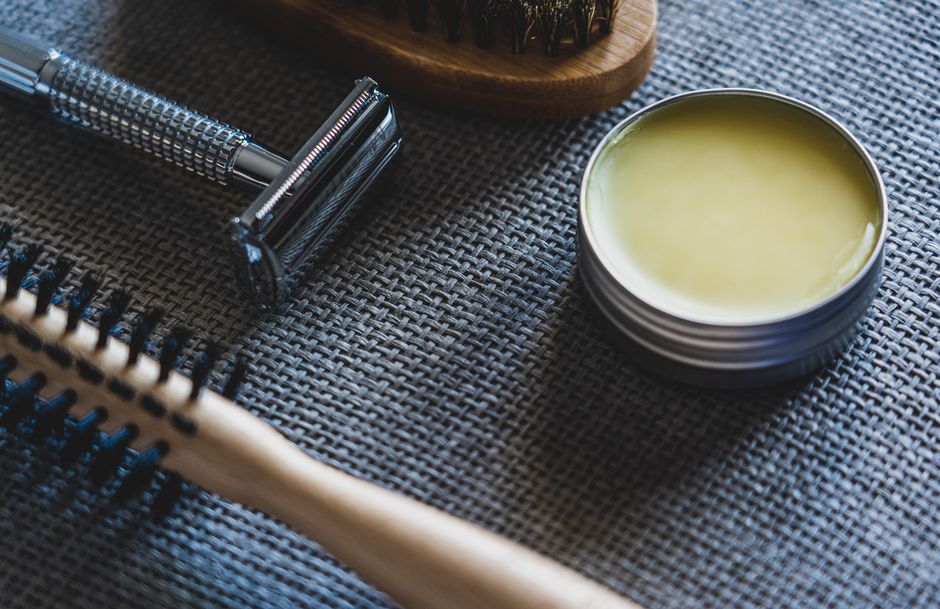
Switching to a short crop changes how you spend your mornings. You trade long blowouts for quick, finger-tousled styling that takes just one to five minutes. The key is understanding expert styling advice and matching the right styling formulas to your desired finish:
- Texturizing Pastes and Matte Clays: Perfect for piecey separation and lived-in definition. Warm a pea-sized amount between your palms and work it through dry ends to define shape.
- Styling Foams and Root-Lifting Sprays: Ideal for fine strands needing all-day lift. Apply to damp roots before a quick, 90-second rough-dry with your fingers for effortless body.
- Dry Texture Spray: Adds grit, dimension, and airy separation to top layers without making strands feel stiff or greasy, giving short hair a modern touch.
- Finishing Serums and Lightweight Creams: Provide a high-gloss, sleek silhouette when you want a polished, formal look that stays sleek all evening.
How to Maintain Your Pixie Cut and Grow-Out Phase
While daily styling is fast, short haircuts require regular upkeep to keep their lines sharp. Because natural hair grows roughly half an inch each month, precision shapes lose their balance if left untended.
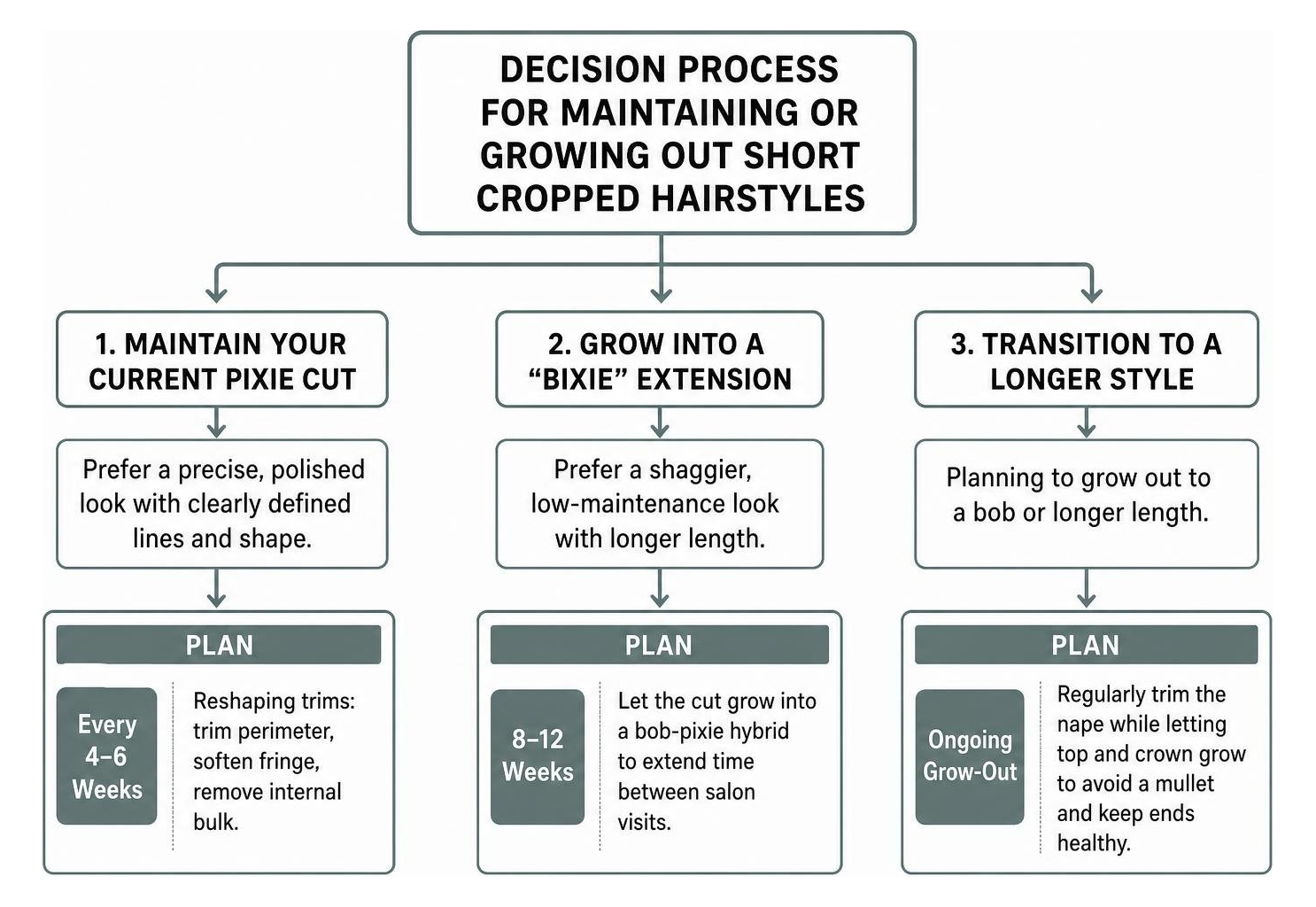
- Reshaping Trims (Every 4 to 6 Weeks): Maintain the silhouette by trimming the perimeter, softening the fringe, and removing internal bulk to preserve clean lines.
- The “Bixie” Extension (8 to 12 Weeks): If you prefer a shaggier, low-maintenance aesthetic, letting your cut grow into a bob-pixie hybrid stretches salon visits while maintaining style.
- Managing the Grow-Out Gracefully: When transitioning to a bob, ask your stylist to regularly trim the nape while letting the top and crown sections grow. This prevents the haircut from turning into an accidental mullet while keeping your ends healthy and polished.
Frequently Asked Questions About Pixie Haircuts
Does a pixie cut suit every face shape?
Yes. Every face shape can wear short hair when the cut is tailored to balance individual proportions. Round faces benefit from tapered sides and volume at the crown, square shapes are complemented by feathered, face-softening edges, and heart-shaped faces look great with sweeping, brow-skimming bangs.
How often do you need to trim short hair?
To maintain a clean shape, schedule a maintenance trim every 4 to 6 weeks. If you are growing the style out or wearing a longer, relaxed cut, you can stretch appointments to every 8 to 10 weeks by keeping the neckline tidy.
Is a cropped cut high maintenance?
It depends on how you measure maintenance. In the salon chair, it requires regular visits every few weeks. In your daily morning routine, it is low-effort—most people wash, dry, and style their hair in less than five minutes with minimal product.
Finding Your Signature Style in the Capital Region
Transforming your look is an empowering personal journey that relies on clear, collaborative communication between you and your hair artist. Before your appointment, collect several reference photos showing cuts on people with hair texture, density, and face shapes similar to yours. Discuss your morning styling habits, how often you plan to visit the salon for trims, and how comfortable you feel showing off your facial features and neckline.
Ready to explore a bold, low-effort haircut tailored just for you? Browse our curated guide to local salon services in the Capital Region to connect with top local stylists and salons across Albany, Saratoga, Troy, and Schenectady who specialize in precision cuts, custom consultations, and expert texturizing techniques.